 EN
Amazon US Faces Widespread Warehouse Capacity Constraints
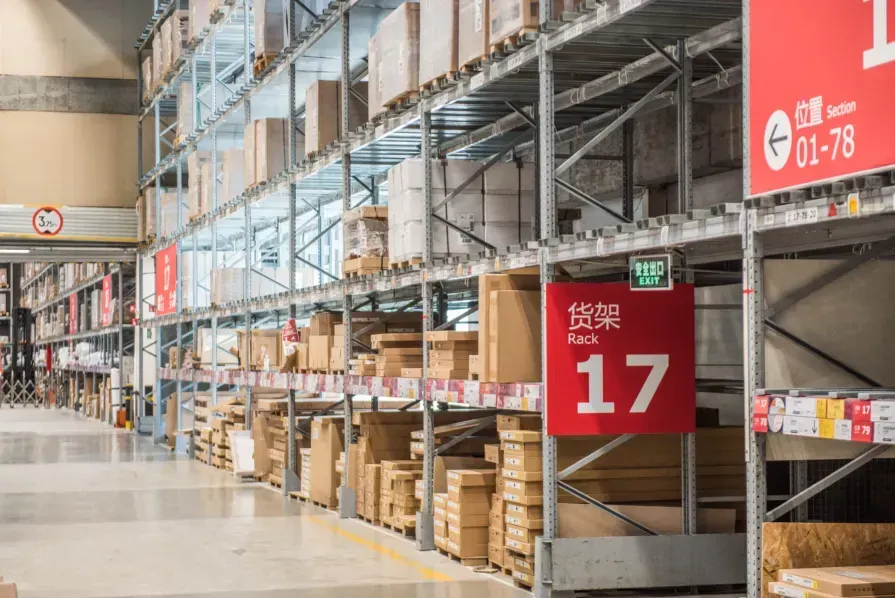
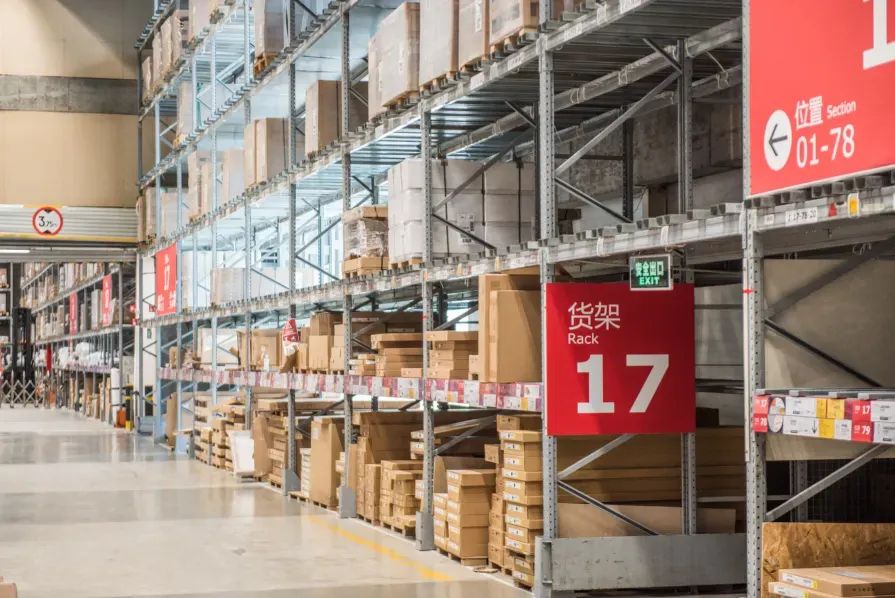
AMZ123 has learned that several logistics providers and seller consultants recently reported that high-volumeAmazonfulfillment centers in the western and central United States, as well as parts of the eastern United States, are simultaneously facing insufficient inbound capacity and a shortage of unloading appointment slots, leaving many shipments stranded.
Industry reports indicate that the period from month 9 to month 10 each year is when Amazon fulfillment centers receive concentrated volumes of holiday inventory, straining warehouse capacity and significantly extending unloading appointment lead times. At higher-volume warehouses, unloading appointments normally take only 3‑5 days, but during peak season, the wait often stretches to 10‑20 days. At some key warehouses, peak waiting times can even reach 3‑4 weeks.
The situation is particularly pronounced at ONT8 and LAX9, two key warehouses in the western United States. Other major receiving warehouses, including CLT2 and IND9, are also widely experiencing inbound volume restrictions and difficulty securing appointment slots. After shipments clear customs, if a valid unloading appointment cannot be secured, trucks can only park outside the warehouses or at third-party sites and wait, unable to unload and deliver the goods into the warehouses.
In addition, starting on day 31 of month 7, Amazon is tightening AWD receiving rules and will no longer accept oversized products for transfer. The new rules require each sellable item to measure no more than 18×14×8 inches and weigh no more than 20 pounds. Goods that do not meet these standards can only be sent directly toFBAfulfillment centers. This change also removes an important option for small and medium-sized sellers to use AWD as an inventory buffer.
Port congestion, first-leg logistics delays, and inbound receiving bottlenecks have left some full-container shipments unable to complete warehouse receiving even weeks after arriving at port. Some sellers report that full-container shipments still cannot enter warehouses half a month after arriving at port, while their bestselling listings have already been out of stock for a week, directly causingkeywordrankings to drop and advertising weight to suffer, putting them at risk of losing peak-season traffic.
Amazon has also officially advised sellers to complete inbound delivery of holiday inventory as early as possible. From month 11 to month 12, warehouses will allocate most of their resources to order fulfillment, further reducing inbound appointment availability. Once bestselling products go out of stock, their listing rankings, advertising performance, and conversion performance will be directly affected, making peak-season traffic losses more pronounced.
Author ✎ TEN/AMZ123
Disclaimer: Copyright for this article belongs to AMZ123. Reproduction without permission is prohibited. For authorization, please contact: amz123happy
Source: Cross-Border Logistics News · Read the original article
Related Learning
AliExpress Local Store Shipping Rules? AliExpress Official Website Entry
With the rapid growth of cross-border e-commerce, more and more merchants are choosing to join the A…
From Losses to Profit: How User Experience Helped a DTC Store Achieve an ROI of Over 4 Within 3 Months | Shenzhen Topu Customer Case
A DTC store is not an advertising machine; it is a business built around user experience. I. Introdu…
How to Operate a Local AliExpress Store? AliExpress Store Registration Process
In cross-border e-commerce, AliExpress, as China’s largest online B2C foreign trade platform, has at…