 EN
Google Translate's Website Translator - available for non-commercial use
Tuesday, May 19, 2020
In this time of a global pandemic, webmasters across the world—from government officials to health organizations—are frequently updating their websites with the latest information meant to help fight the spread of COVID-19 and provide access to resources. However, they often lack the time or funding to translate this content into multiple languages, which can prevent valuable information from reaching a diverse set of readers. Additionally, some content may only be available via a file (for example, a .pdf or .doc), which requires additional steps to translate.
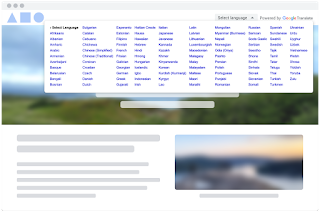
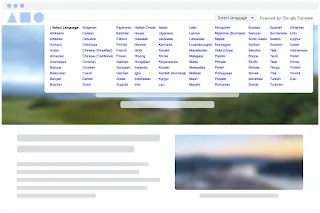
To help these webmasters reach more users, we're reopening access to the Google Translate Website Translator—a widget that translates web page content into 100+ different languages. It uses our latest machine translation technology and is easy to integrate. To start using the Website Translator widget, you can sign up with our form.
Please note that usage will be restricted to government, non-profit, and/or non-commercial websites (for example, academic institutions) that focus on COVID-19 response. For all other websites, we recommend using the Google Cloud Translation API.
Google Translate also offers both site owners and their readers a way to translate documents hosted on a website. For example, if you need to translate this PDF file into Spanish, go to translate.google.com and enter the file's URL into the textbox , then choose "Spanish" as the target language. The link shown in the textbox will take you to the translated version of the PDF file. The following file formats are supported: .doc, .docx, .odf, .pdf, .ppt, .pptx, .ps, .rtf, .txt, .xls, or .xlsx.
Finally, it's very important to note that while we continuously look for ways to improve the quality of our translations, they may not be perfect—so please use your best judgement when reading any content translated via Google Translate.
Posted by Xinxing Gu, Product Manager, Mountain View, CA, and Michal Lahav, User Experience Research, Seattle, WA
Source: Original website ·Read original
Related Learning

How to pause your business online in Google Search
Thursday, March 26, 2020 As the effects of the coronavirus grow, we've seen businesses around the wo…
Timing for bringing page experience to Google Search
Tuesday, November 10, 2020 This past May, we announced that page experience signals would be include…
How we fought Search spam on Google - Webspam Report 2019
Tuesday, June 09, 2020 Every search matters. That is why whenever you come to Google Search to find …