 EN
20+ Top Social Media Platforms and Apps to Grow Your Brand in 2026
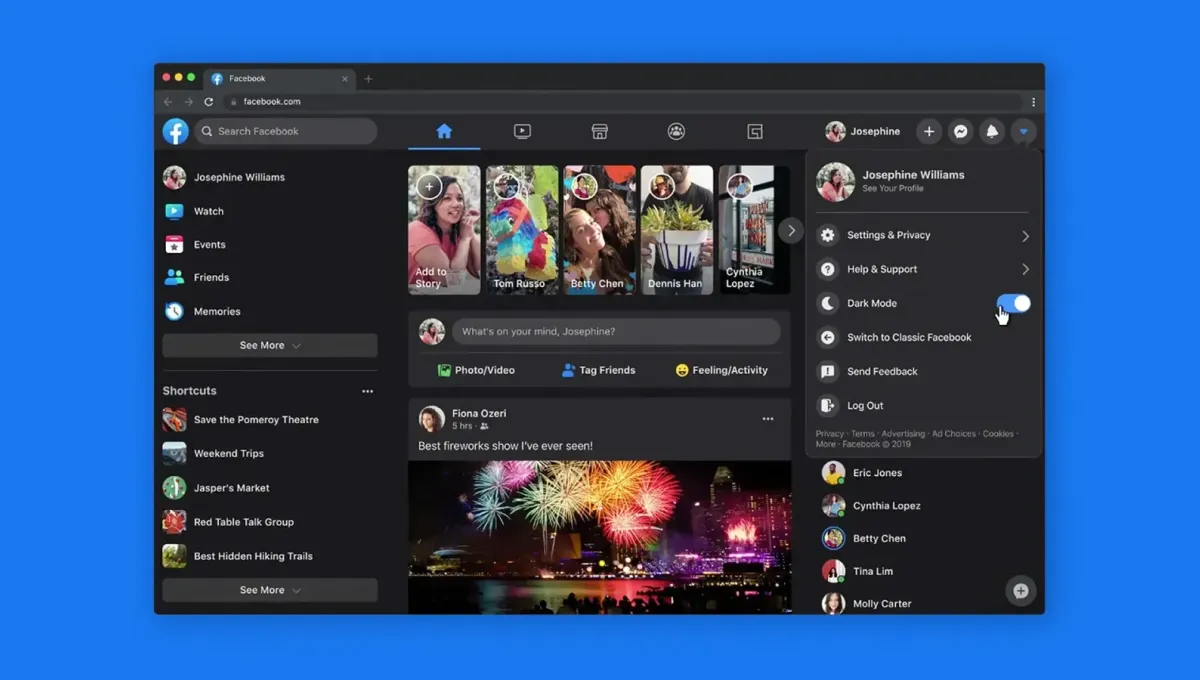
There are now more social media platforms than any one person can reasonably keep up with — and yet somehow the advice is always 'you should be on all of them.' (Don't worry, we're not going to tell you that!)
Whether you're building your personal brand or managing social media marketing for a business, the challenge is figuring out which platforms are worth your time.
This guide compares 24 social media platforms in 2026, covering their audience sizes, popular content formats, and what they're best suited for. From familiar giants like Facebook and Instagram to rising players like Threads and Bluesky, you'll find information to help you decide which platforms deserve a place in your social media strategy.
And remember: you don't need to be on every social media site to grow. Start with two or three platforms that fit your audience, the content you enjoy creating, and the time you have available. If you're wondering what to post, our analysis explores which content formats perform best across different platforms.
Key takeaways
- The biggest platforms still have billions of users: Facebook, Instagram, WhatsApp, and YouTube offer enormous audiences, but that doesn't mean they're right for every brand.
- Video offers plenty of options: From YouTube tutorials to TikTok videos and Instagram Reels, there's more than one way to reach people through video.
- Looking beyond X? Threads and Bluesky offer different ways to join public conversations and connect with interest-based communities.
- You don't need to be everywhere: Start with two or three platforms that fit your audience and the content you can consistently create.
Overview of the most popular social media platforms
Platform | Monthly active users (MAU) | Top content formats | Best for |
3.07B | Text, images, video, reels, stories, groups | General brand presence | |
3B | Reels, stories, posts, lives | Visual storytelling | |
3B | Messaging, voice notes, product catalogs | Customer support and updates | |
YouTube | 2.6B | Long-form video, shorts, live | Video content and SEO |
TikTok | 2B | Short-form video, duets, lives | Short-form video and trends |
1.4B | Messaging, mini apps, payment | Chinese market reach | |
Telegram | 1B | Channels, chats, bots | Broadcast and private messaging |
Snapchat | 971M | Snaps, stories, AR filters, Spotlight | Direct engagement with Gen Z |
Douyin | 860M | Short videos, livestream, in-app shopping | Short-form video and e-commerce |
Kuaishou | 797M | Short and long video, livestream | Live commerce and rural China |
765M | Text, links, comments | Community insights and trends | |
640M | Pins, boards, idea pins | Product discovery and planning | |
433M | Articles, carousels, video, posts | B2B marketing and personal brand | |
561M | Images, hashtags, stories | Trend-driven content in China | |
X (Twitter) | 550M | Text, images, video | Real-time updates and engagement |
520M | Chat, games, avatars | File sharing and messaging | |
Threads | 500M | Text, carousels, links, images | Conversational, casual posting |
Quora | 400M | Q&A, text, links | Educational content and SEO |
RedNote (Xiaohongshu) | 350M | Photos, mini vlogs, captions | Reviews and lifestyle content |
Discord | 259M | Text, voice, video, channels | Private communities |
Twitch | 240M | Live video, chat, replays | Livestream entertainment |
Tumblr | 60M | Text, GIFs, images, audio | Creative self-expression |
Bluesky | 10.4M | Text posts, replies, reposts | Decentralized social networking |
Mastodon | 743K | Text, media, audio | Federated communities |
💡Source: Unless otherwise stated, audience figures are from Statista. Additional figures are based on official platform disclosures and third-party research, with sources linked in the individual sections. Some figures are estimates, and reporting periods and measurement methods may vary.
Top 24 social media apps and platforms for 2026
We've ranked this list by monthly active users (MAUs) — basically, how many people use the platform each month.
A platform with billions of users sounds impressive, but if your audience isn't there, it won't matter how big it is.
Start by figuring out where your audience spends time online, then focus your efforts on the platforms where you're most likely to reach and engage them.
Jump to a section:
- 1. Facebook
- 2. Instagram
- 3. WhatsApp
- 4. YouTube
- 5. TikTok
- 6. WeChat
- 7. Telegram
- 8. Snapchat
- 9. Douyin (TikTok China)
- 10. Kuaishou
- 11. Reddit
- 12. Pinterest
- 13. Weibo
- 14. X (formerly Twitter)
- 15. QQ
- 16. Threads
- 17. LinkedIn
- 18. Quora
- 19. RedNote (Xiaohongshu/Little Red Book)
- 20. Discord
- 21. Twitch
- 22. Tumblr
- 23. Bluesky
- 24. Mastodon
1. Facebook
3.07 billion MAU
 Source: Meta
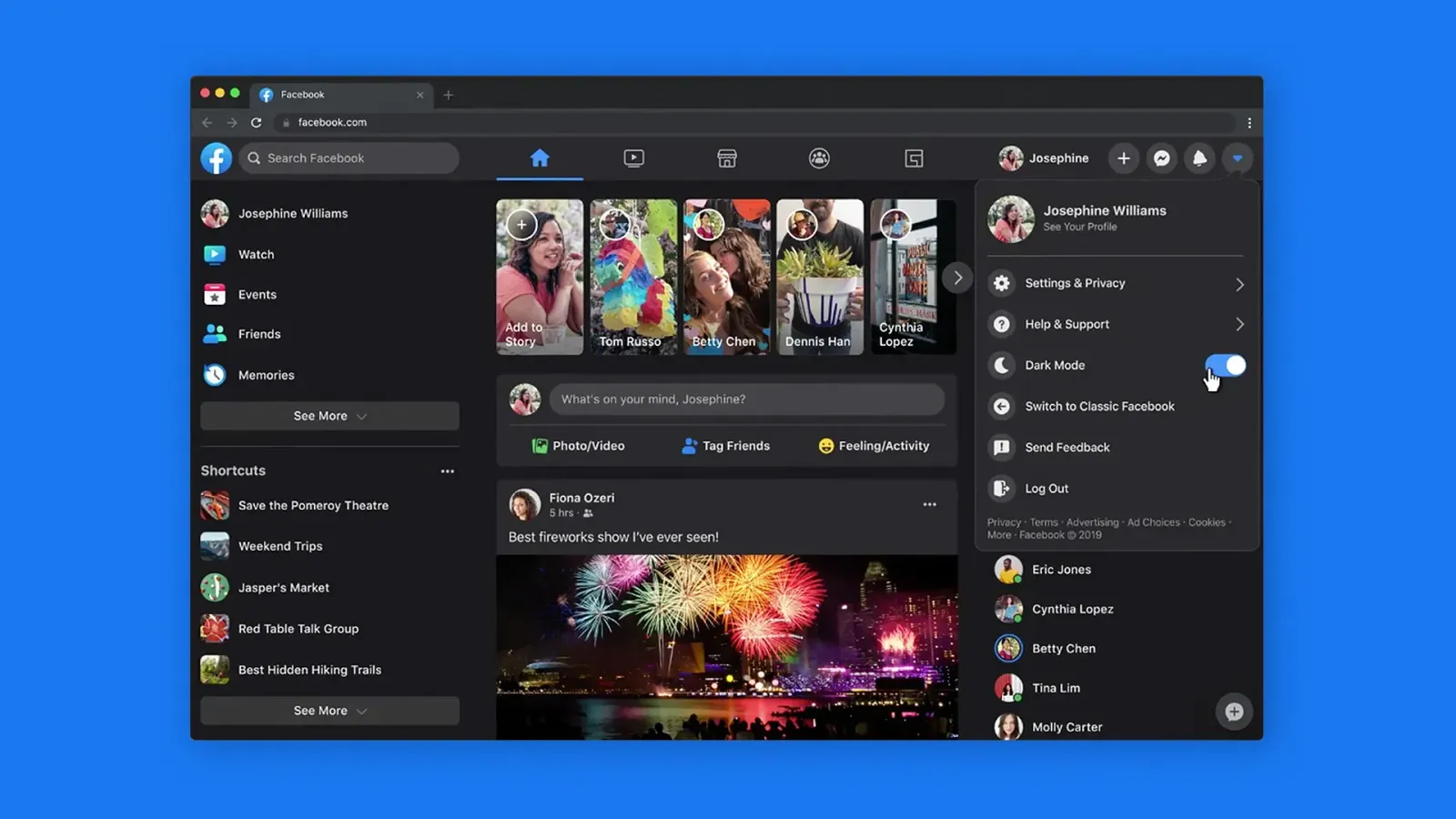
Facebook remains the largest social media platform in the world, with more than 3 billion monthly active users — over one-third of the global population.
It continues to be a popular choice for social media marketing, thanks to its broad audience reach and support for nearly every type of content format. It’s also a strong option for advertisers, with a huge range of targeting options that help you reach the right people.
Why Facebook still matters:
- Works well for text, images, video content, stories, and live streams
- Features like Facebook Groups and Facebook Messenger allow deeper community building and customer engagement
- Facebook Ads Manager offers audience targeting options for paid social media campaigns
2. Instagram
3 billion MAU
 Source: Meta
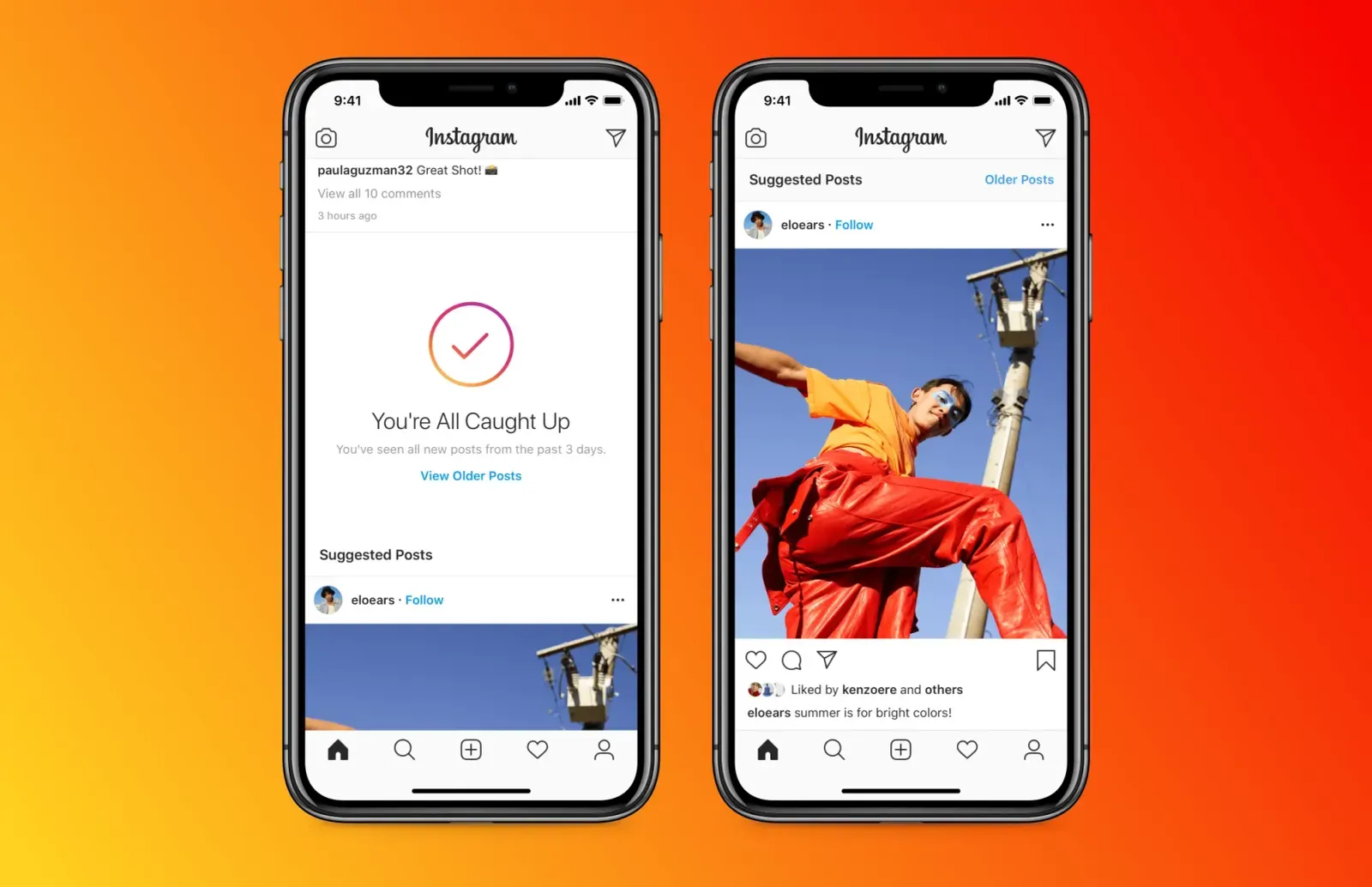
Instagram is one of the most visual social media platforms, built for sharing photos, videos, Stories, and short-form video content like Reels.
With around 3 billion monthly active users, it’s especially popular with Gen Z and millennials.
Why brands love Instagram:
- A wide range of formats, including reels, stories, and live video
- Discovery features like the Explore tab, reel recommendations, and hashtags
- Encourages user-generated content through mentions, tags, and branded campaigns
You can switch to an Instagram business profile to access in-depth analytics and business tools. It’s also easy to crosspost to Facebook and Threads since they’re all part of the Meta family of platforms.
3. WhatsApp
3 billion MAU
 Source: WhatsApp
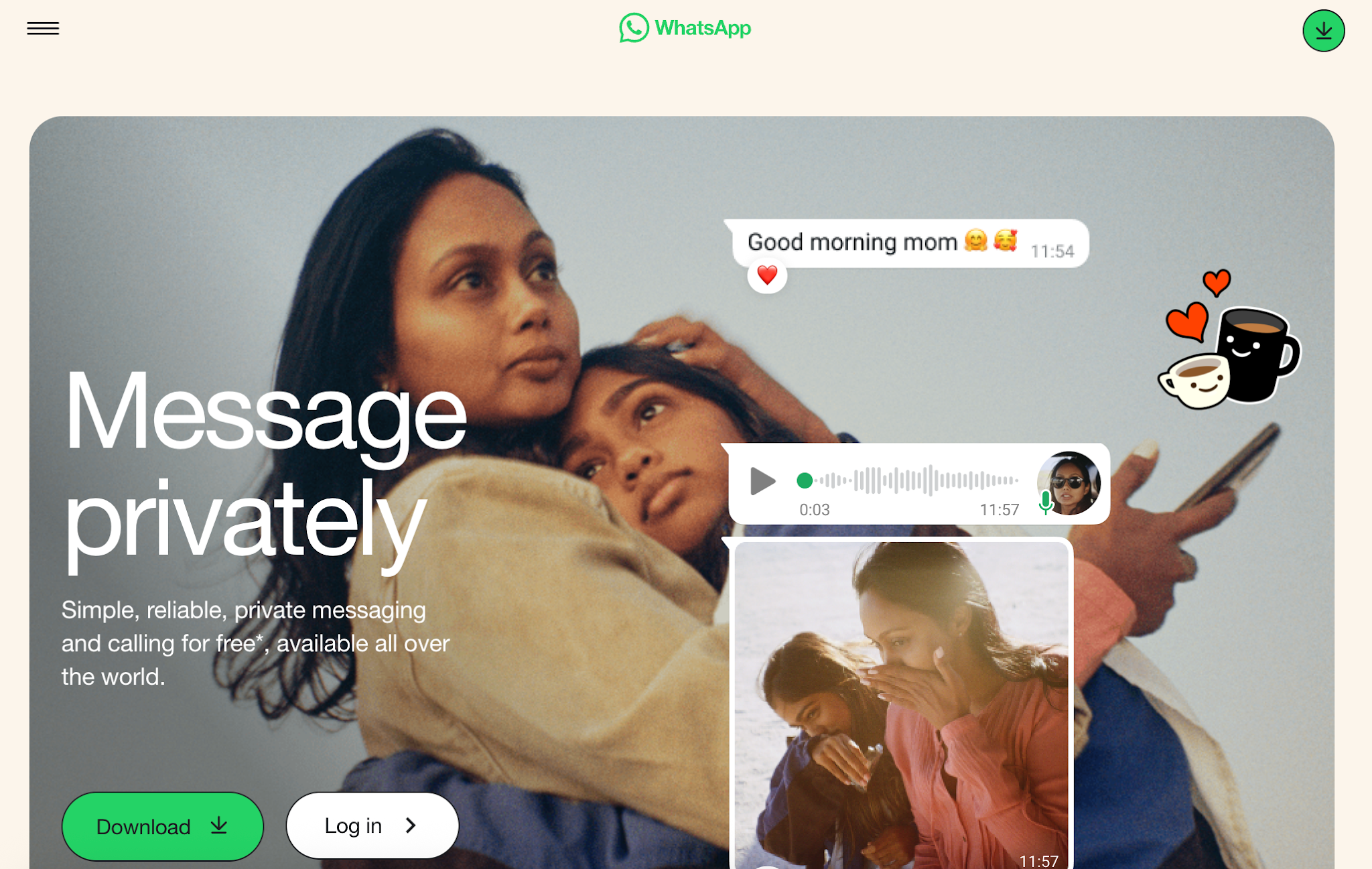
WhatsApp is the world’s most popular messaging app, used in over 180 countries by around 3 billion people every month.
It started as a way to message friends, but plenty of businesses now use it for customer support, updates, and marketing.
Why use WhatsApp:
- The WhatsApp Business app helps small businesses share updates, show off their products, and answer customer questions directly
- Larger teams can use the WhatsApp Business Platform to automate responses and integrate customer communication with other business tools
WhatsApp is highly effective for:
- Order updates and tracking
- Real-time customer support
- Sharing limited-time deals with customers who've opted in
- Reaching audiences in markets where WhatsApp is widely used, like Brazil, India, and Indonesia
WhatsApp's end-to-end encrypted personal messaging makes it a popular choice for direct communication with customers. And with features like channels and status, businesses have more ways to share updates and reach new audiences.
4. YouTube
2.6 billion MAU
 Source: YouTube
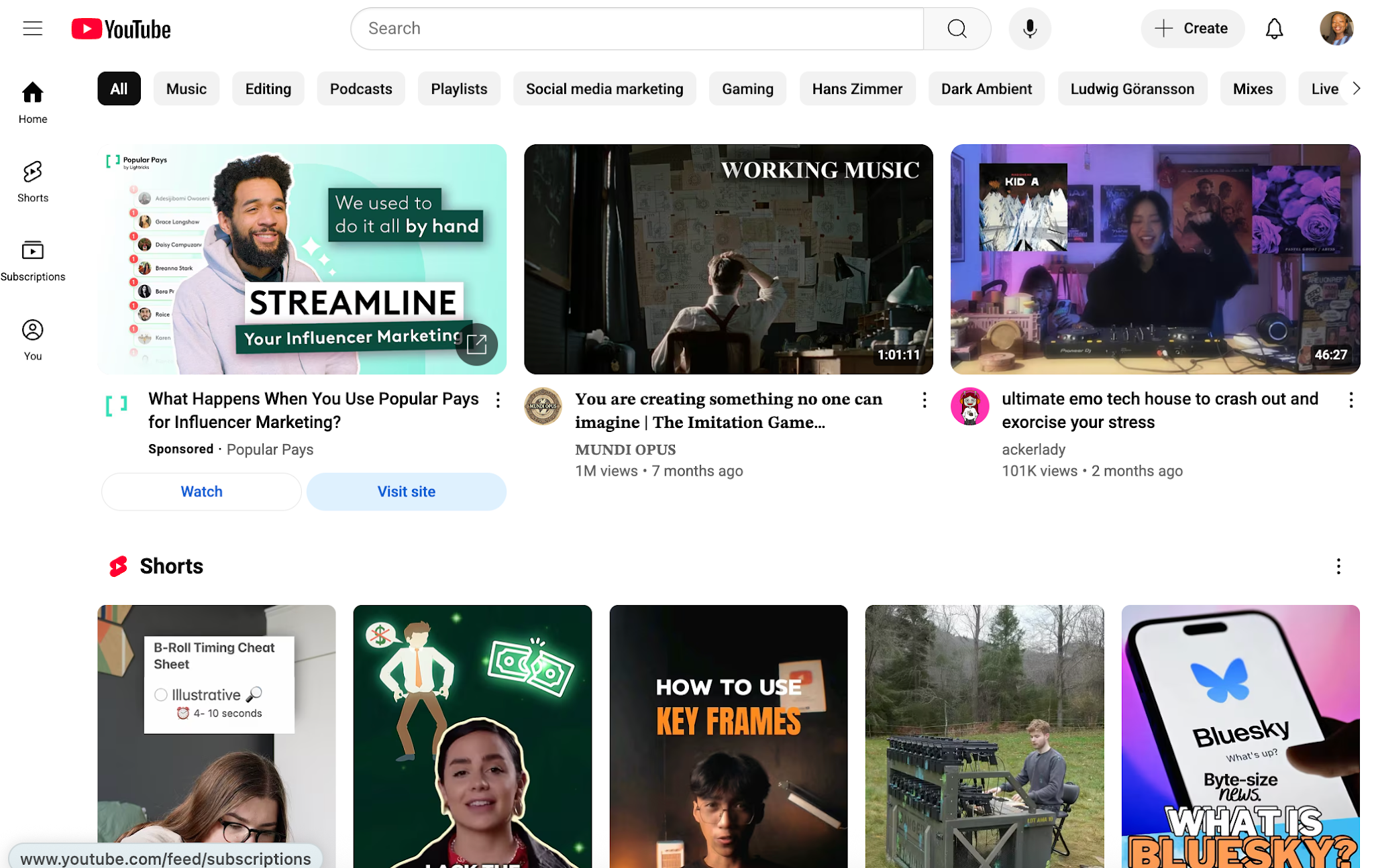
With viewers watching over a billion hours of YouTube content on TVs every day, YouTube remains a popular platform for brands investing in video content.
And here's something interesting: YouTube even accounts for a significant share of all U.S. television viewing, competing with streaming services like Netflix, Disney+, and Amazon Prime Video.
Why YouTube matters for your marketing strategy:
- Supports both long-form and short-form videos (including YouTube Shorts)
- Great for evergreen content, tutorials, behind-the-scenes videos, and storytelling
- YouTube is also a search engine, which means the right keywords, thumbnails, and titles can help your videos get discovered long after you post them
Whether you’re new to YouTube or refining your current presence, here’s how to grow on YouTube and start building a community through content.
Learn more about the YouTube algorithm and how to grow your audience.
5. TikTok
2 billion MAU
 Source: TikTok
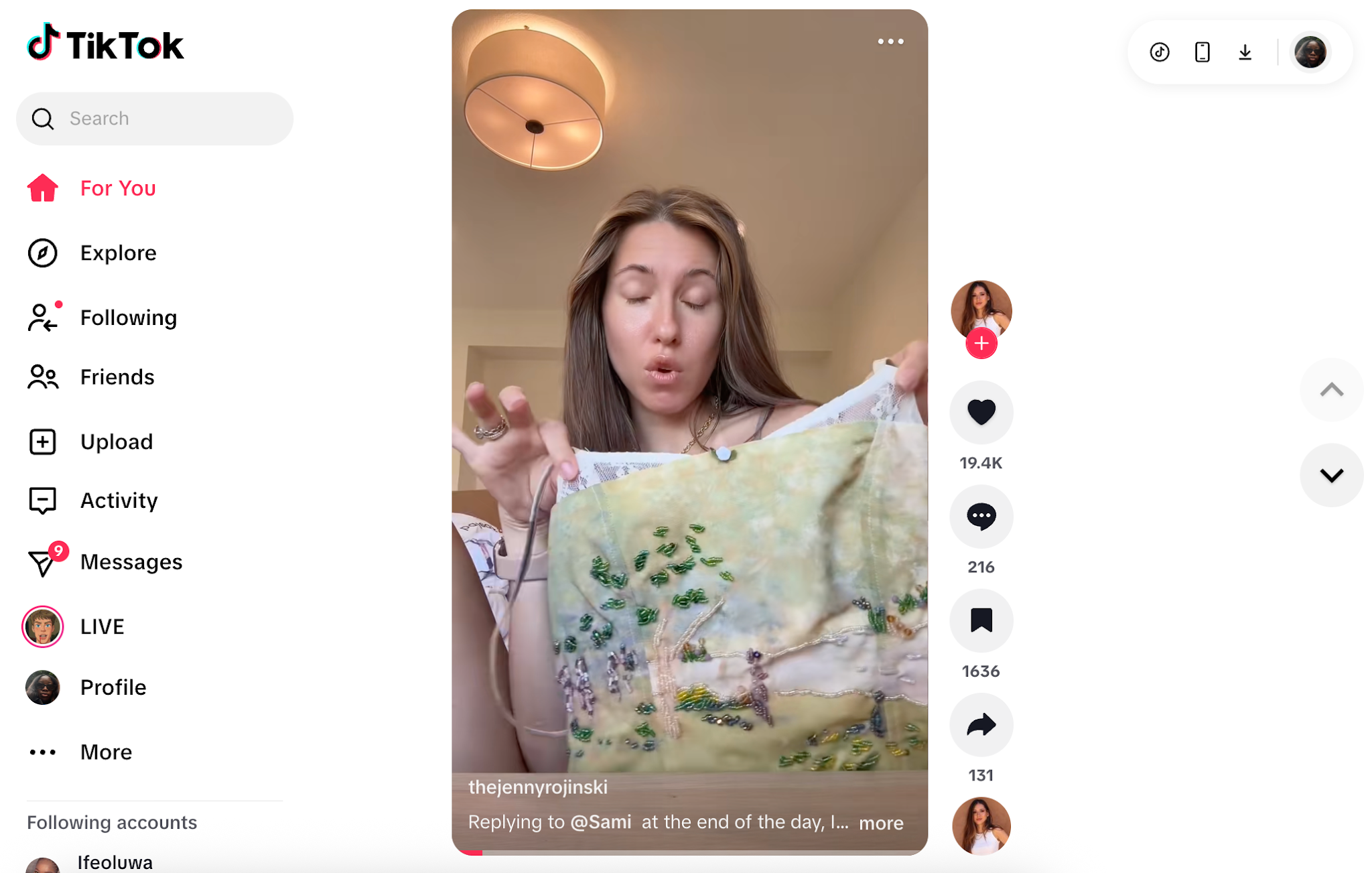
TikTok is one of the largest short-form video content platforms, especially among younger audiences.
With 2 billion monthly active users globally, it's a popular choice for creators, small businesses, and brands looking to show up in a more personal, creative way.
What makes TikTok unique:
- Users can create videos up to 10 minutes long (and up to 60 minutes when uploaded from a device) with built-in music, voice effects, and editing tools
- The algorithm pays close attention to what people watch and engage with — which means even smaller accounts can reach new audiences if the content resonates.
- Challenges, duets, and trends give brands opportunities to join conversations and create content with their communities
If your target demographic includes Gen Z or younger millennials, TikTok can be a powerful place to connect through authentic, fast-moving content.
Want to grow? Learn how the TikTok algorithm works and how to get more followers — from content hooks to posting strategy.
6. WeChat
1.4 billion MAU
 Source: UMS Blog
Interested in expanding your social media presence internationally? WeChat could be your gateway to one of the largest online markets in the world.
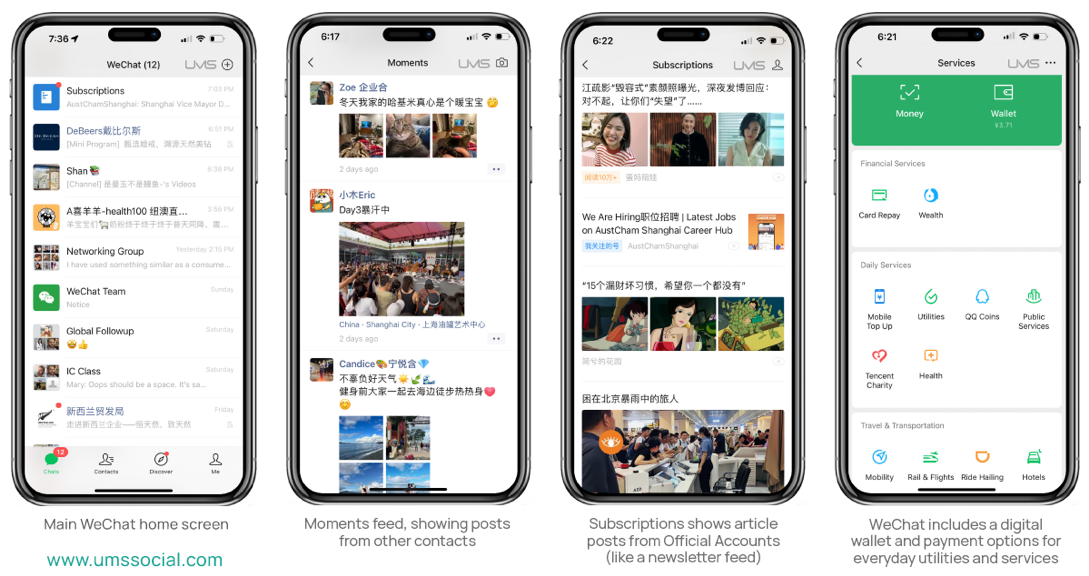
Developed by Chinese tech giant Tencent, WeChat is one of the most versatile social media platforms. Originally a messaging app, it has grown into an all-in-one platform where users can send messages, make payments, shop online, book rides, and more.
Why WeChat stands out:
- Offers branded WeChat Official Accounts for businesses to share content and engage with followers
- Enables businesses to run ads, build mini programs (apps within WeChat), and reach audiences through WeChat Moments
- Supports shopping and payments within the app, with Weixin mini programs facilitating trillions of RMB in transactions
If you're trying to reach users in China — where platforms like Facebook, Instagram, and X (formerly Twitter) are restricted — you’ll want to be on WeChat.
You can also partner with Chinese influencers to promote your brand through articles, videos, and other content within the WeChat ecosystem.
7. Telegram
1 billion MAU
 Source: MacOS App Store
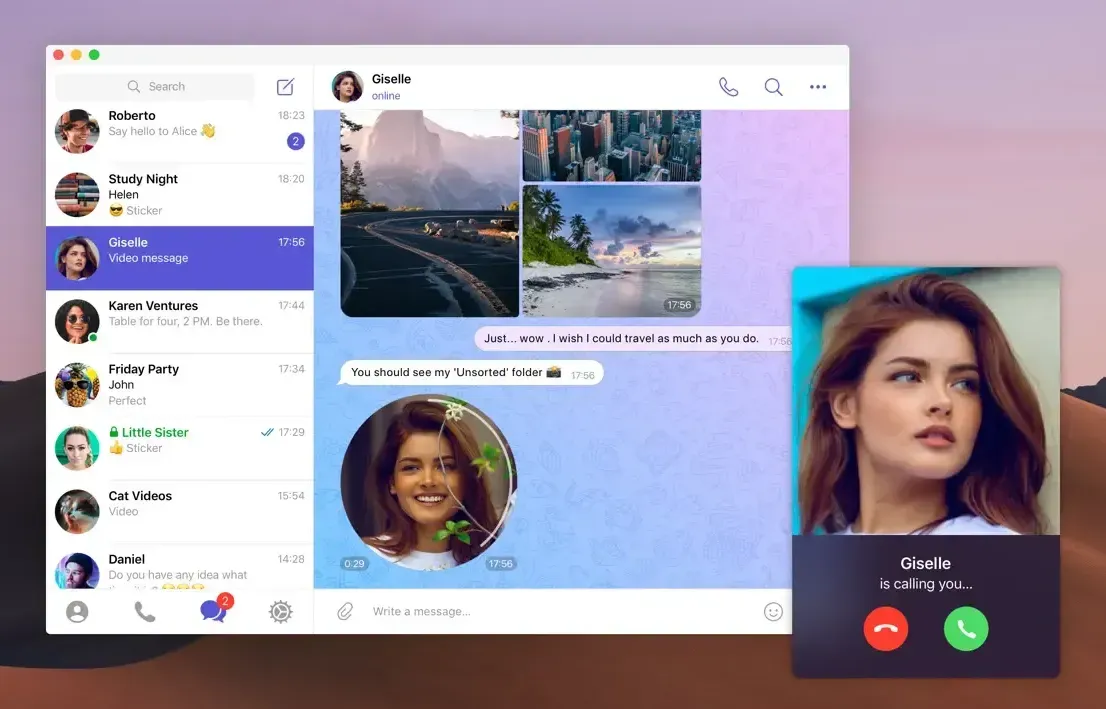
Telegram is a popular messaging app known for its privacy-first approach and flexibility.
While it started as a simple chat tool, it's grown into a social media platform with channels, communities, bots, and broadcast tools.
What sets Telegram apart:
- End-to-end encryption for secret chats, although regular chats aren't end-to-end encrypted by default
- Groups of up to 200,000 members and channels with unlimited subscribers
- Bots and automation for delivering content, collecting feedback, and supporting customer interactions
Channels let you share updates directly with subscribers, which makes Telegram really handy for newsletters, product announcements, and community building.
While Telegram doesn't offer the same content discovery experience as TikTok or Instagram, features like recommended channels help users find new communities. You can also use bots and mini apps to offer interactive experiences, which can be useful for tech-savvy brands and creators.
8. Snapchat
971 million MAU
Source: iOS App Store
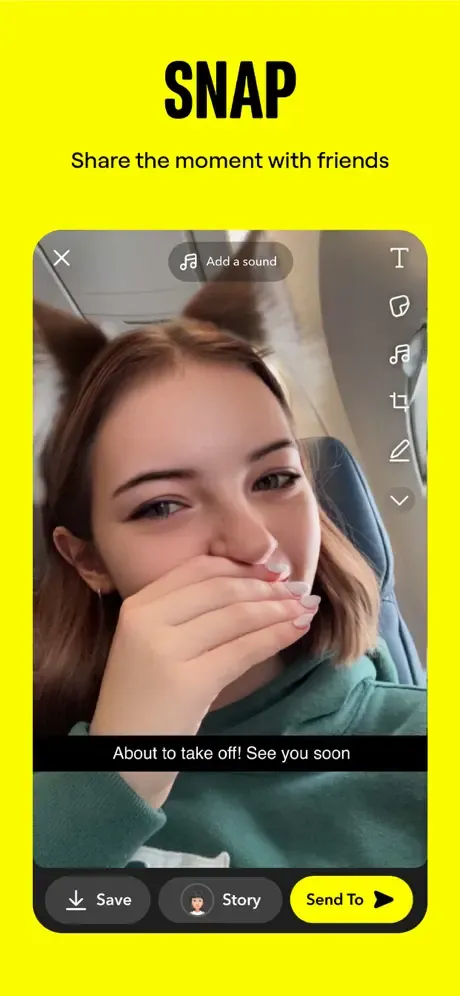
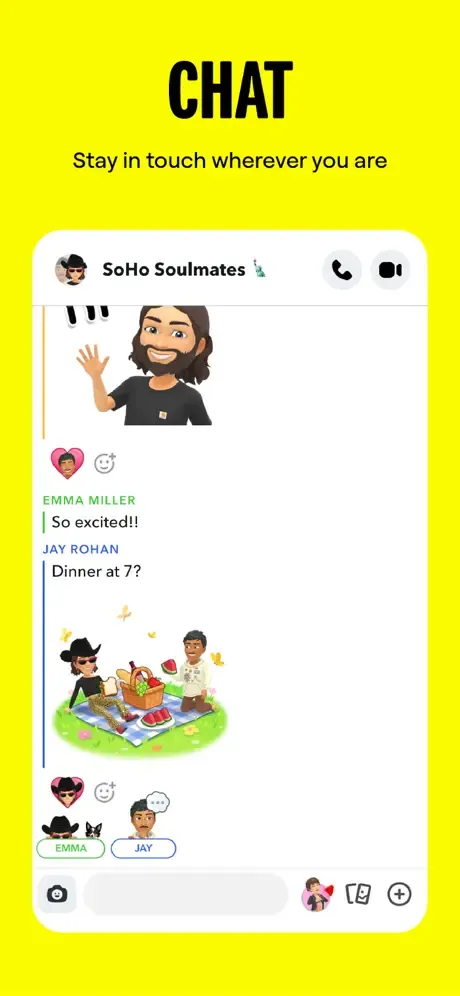
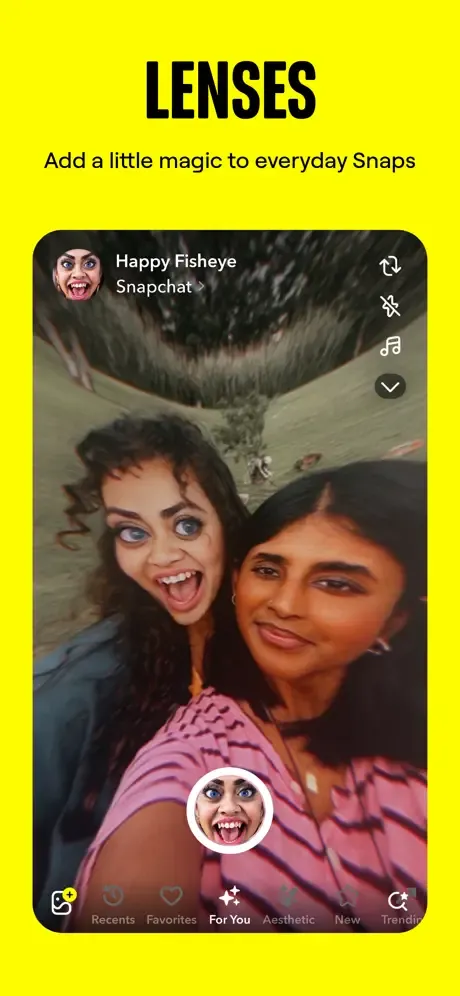
Snapchat pioneered the idea of disappearing content and vertical video — both of which have become staples across other social media platforms like Instagram and TikTok. With over 970 million monthly active users globally, Snapchat remains a powerful messaging app and visual content platform, especially among younger audiences.
Why Snapchat should have a place in your strategy:
- Strong engagement with Gen Z and U.S. teens (over half of them use the app)
- Features like lenses, Bitmoji, and private stories make it highly interactive, with hundreds of millions of users engaging with AR daily
- Tools like Spotlight help creators reach audiences through short-form videos, while My AI offers an in-app chatbot experience
While Snapchat may not be as central to your social media marketing strategy as Instagram or TikTok, it still plays a key role in reaching specific target demographics, especially if your brand skews younger or lifestyle-driven.
9. Douyin (TikTok China)
860 million MAU
 Source: Douyin.com
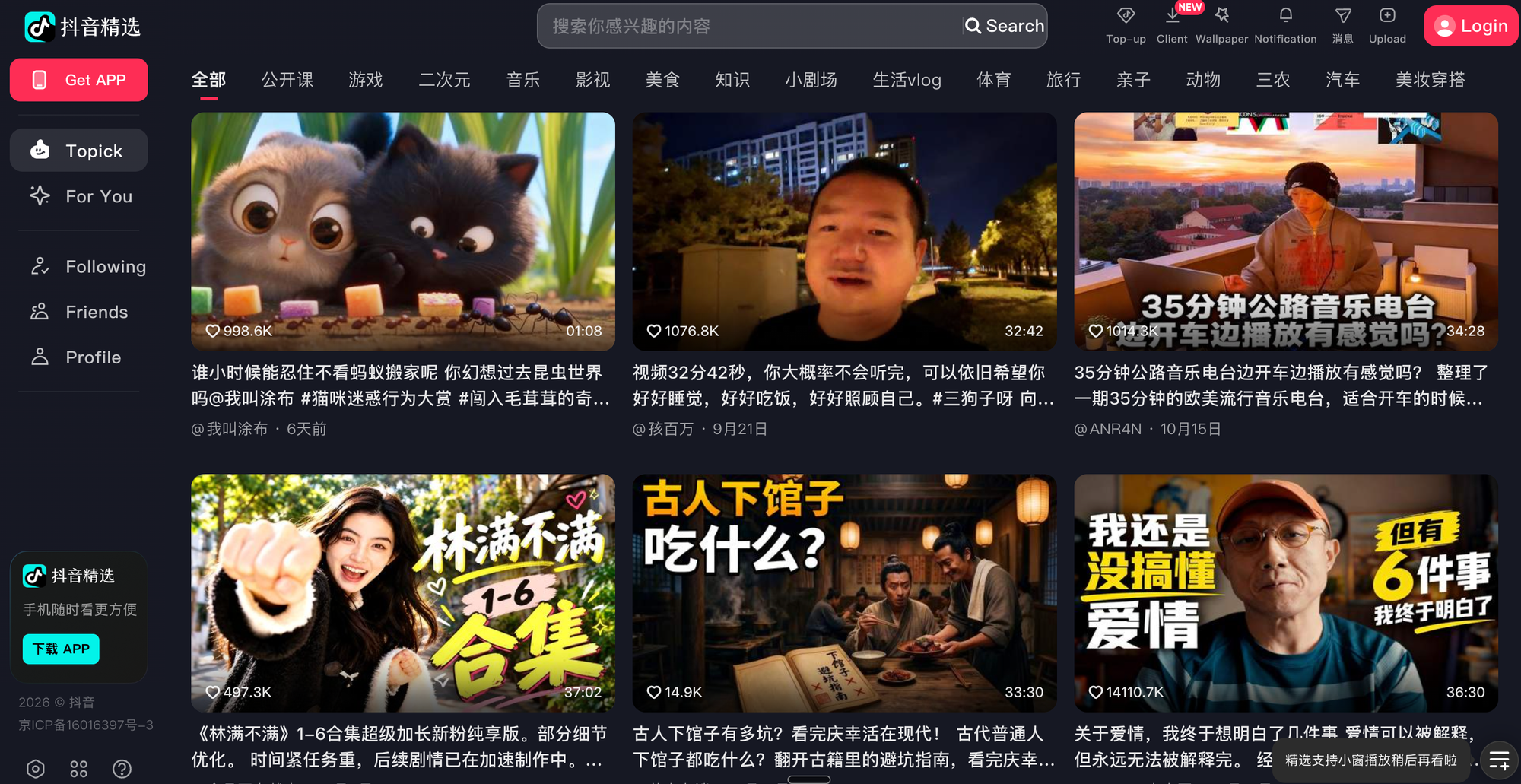
Douyin is the Chinese sister app of TikTok, developed by ByteDance and launched before its global counterpart — which is why the interface might feel familiar. The two share a core codebase, but operate on completely separate networks.
With over 850 million monthly active users, Douyin is one of China's leading social media platforms and a powerhouse in short-form video content and social commerce.
Why Douyin stands out:
- In-app shopping features allow users to buy products through videos, livestreams, and dedicated storefronts
- Personalized recommendations help users discover videos, creators, and products based on their interests
- Popular for tutorials, product reviews, behind-the-scenes content, and shopping hauls
For brands and creators looking to reach audiences in China, Douyin is worth exploring for its video content, livestreams, and in-app shopping features.
10. Kuaishou
797 million MAU
 Source: Kuaishou
Kuaishou is one of China’s largest video-focused social media platforms, and a key competitor to TikTok (known as Douyin in China).
With around 800 million monthly active users, it's known for its community-focused approach and popularity beyond China's biggest cities, including lower-tier cities and rural regions.
What makes Kuaishou different:
- Strong emphasis on everyday storytelling and creator-audience relationships
- Supports long-form videos, short-form content, and livestreaming
- Built-in e-commerce features let users discover and purchase products through videos, livestreams, and storefronts
Kuaishou has a reputation for community engagement and relationships between creators and their followers. That community focus makes Kuaishou a good fit if you’re targeting the Chinese market and interested in social commerce.
11. Reddit
765 million MAU
 Source: Reddit
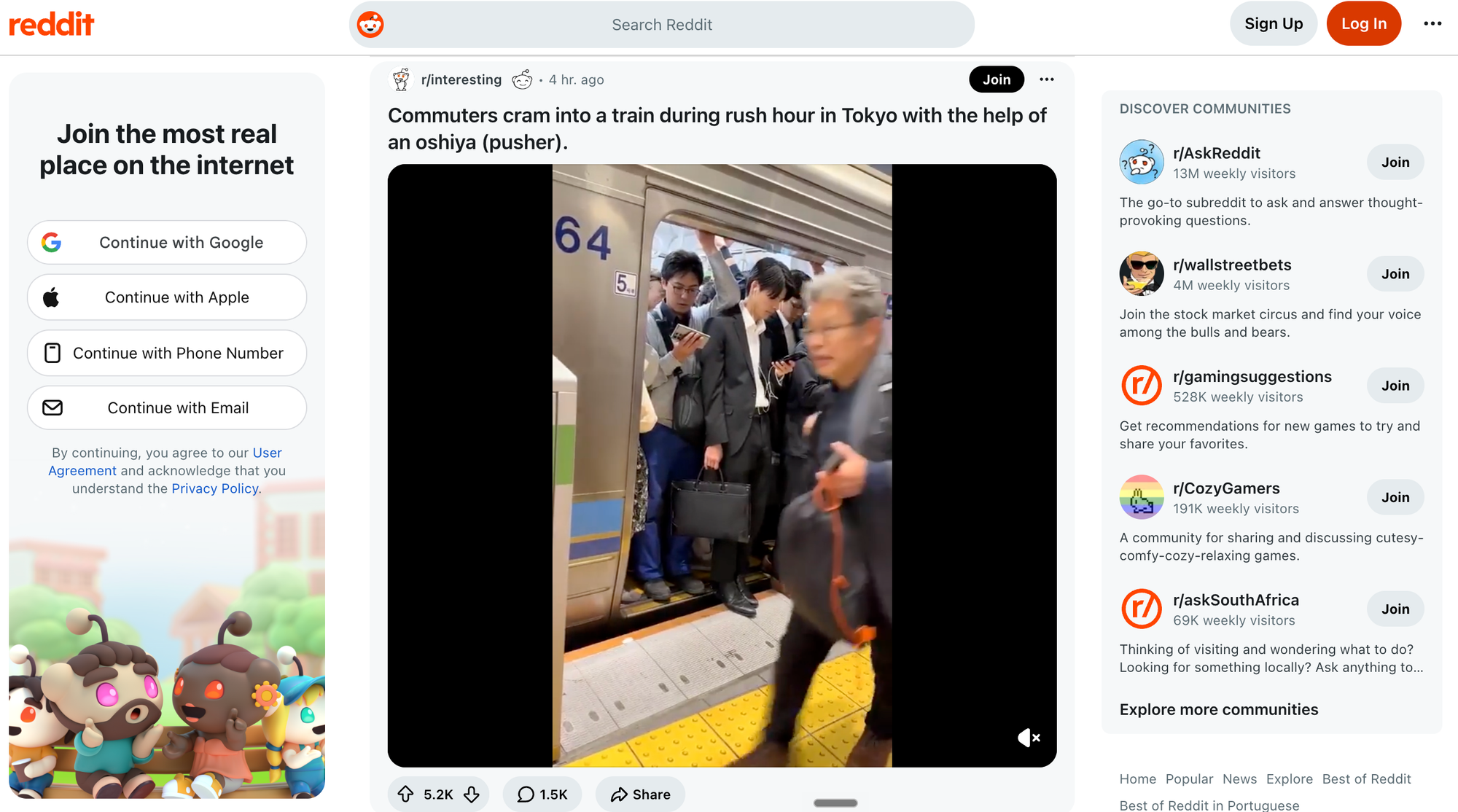
Reddit is a hybrid discussion platform and social network made up of thousands of niche communities called subreddits. It’s a go-to platform for in-depth conversations, advice, crowd-sourced knowledge, and cultural commentary.
Why Reddit is different:
- Communities exist for virtually every topic — from skincare to startups to AI
- Many users participate under pseudonyms, making it easier to discuss topics without using their real names
- Subreddits like r/beauty and r/entrepreneur offer insights into the questions, experiences, and recommendations people share with one another
Reddit gives brands and creators a direct look at what people are asking, discussing, and recommending. Participating in relevant communities can help you understand your audience and build relationships over time.
Many subreddits have strict rules around self-promotion, so check each community's guidelines before posting. Focus on offering helpful advice, asking thoughtful questions, and sharing relevant resources when they're welcome.
12. Pinterest
640 million MAU
 Source: Pinterest
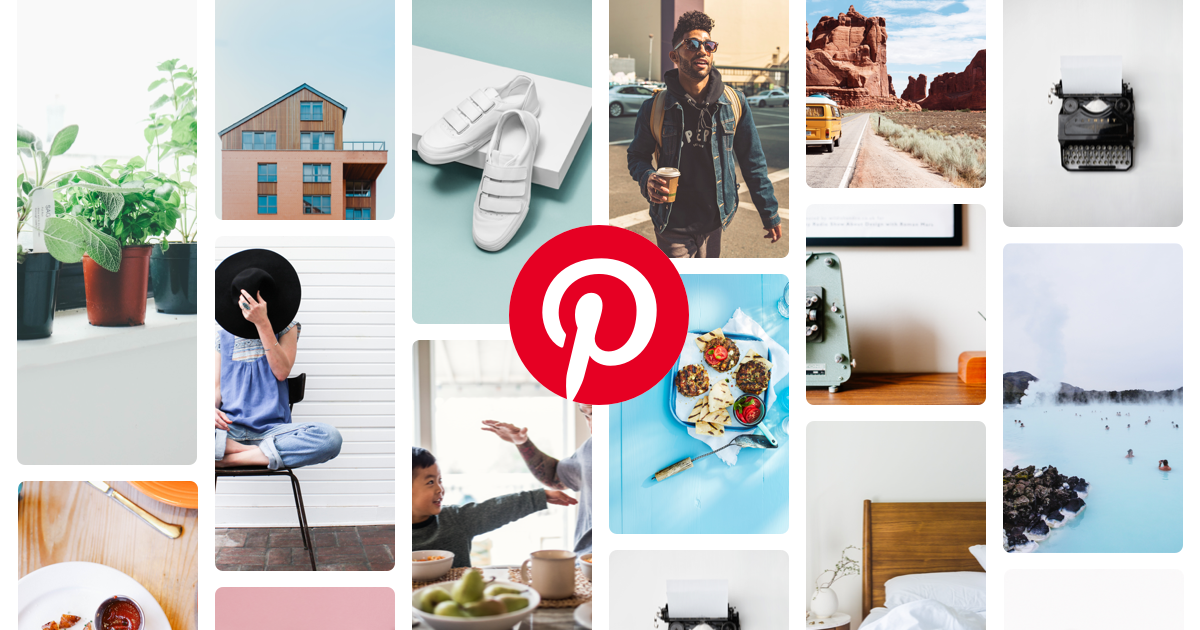
Pinterest is where inspiration meets action. It’s a visual social media platform that functions more like a discovery engine than a traditional feed.
Users “pin” images and videos linked to blogs, products, and landing pages — making Pinterest a useful channel for driving website traffic and product discovery.
Why Pinterest works for brands:
- According to Pinterest's own research, users are 7x more likely to purchase a product they've previously saved
- Especially popular for niches like fashion, home decor, wellness, DIY, and food
- More than half of Pinterest's users are Gen Z, making it a useful platform for reaching younger audiences
- Searchable, evergreen content can continue attracting visitors long after it's published
And while Pinterest is known for images, video is worth experimenting with. Buffer's research found that video Pins earned 83% higher median engagement than image Pins.
Whether you're promoting blog content, e-commerce listings, or tutorials, Pinterest helps you show up when people are actively searching for ideas.
13. Weibo
561 million MAU
 Source: Weibo
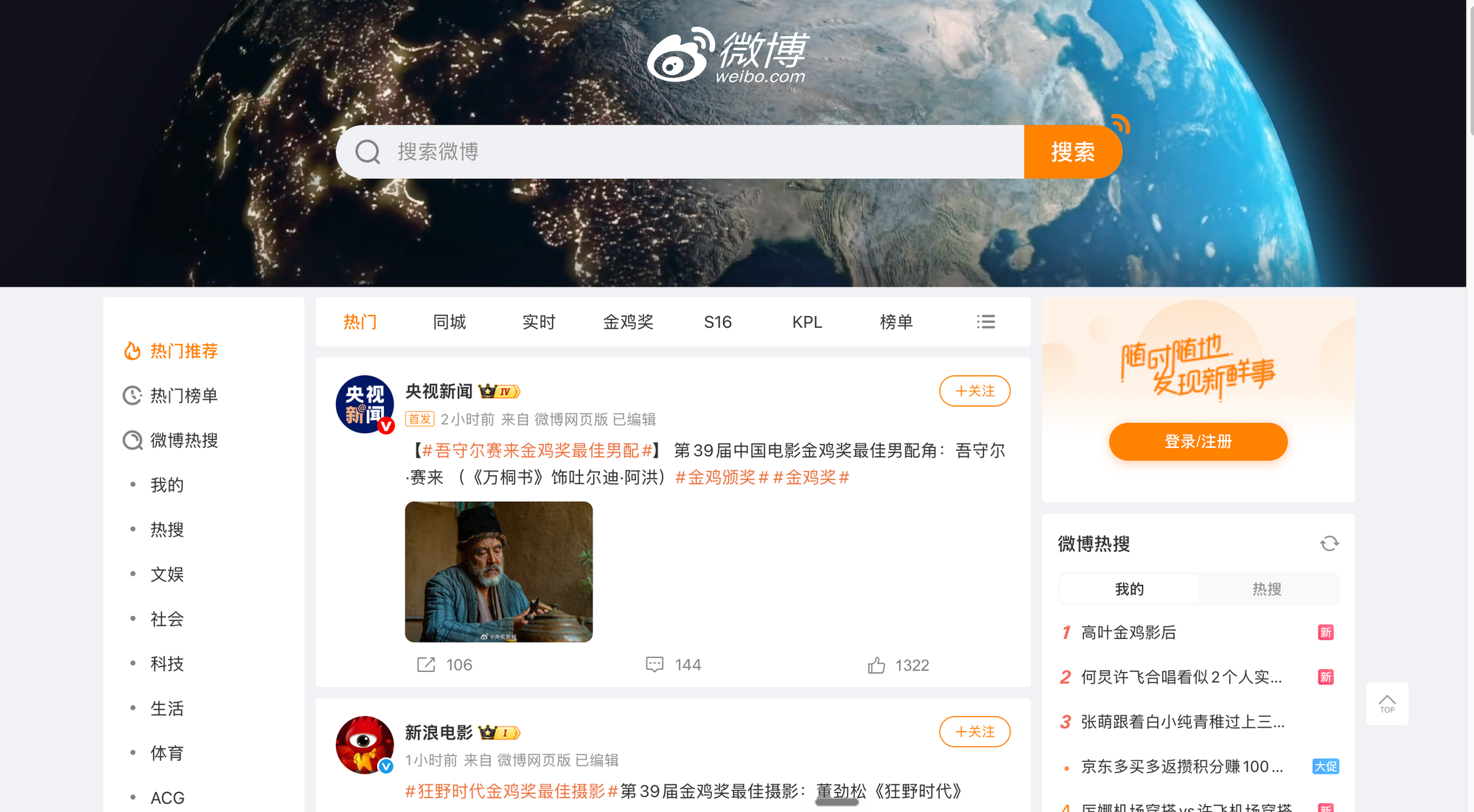
Weibo is a Chinese microblogging platform that combines features of X (formerly Twitter) and Instagram.
With about 560 million monthly active users, Weibo is one of China’s biggest social networks. It’s where trends take off, and influencers do a lot of their brand work.
Why Weibo is a top choice:
- Content includes images, videos, stories, live streams, and hashtags
- Popular for conversations about entertainment, news, beauty, fashion, and technology
- Offers verified business accounts, advertising options, and opportunities to collaborate with influencers
Compared to WeChat's emphasis on messaging and private interactions, Weibo’s audience is younger and more trend-focused. It's a place where trends and public conversations unfold and where brands can join cultural conversations in real time.
14. X (formerly Twitter)
550 million MAU
 Source: Kelly Sikkema on Unsplash
X, formerly known as Twitter, continues to be a major social media platform, known for real-time conversations, trending topics, and short-form updates.
While the platform has undergone significant changes since its rebrand in 2023, it remains a place for brands, creators, and communities to discuss news and events as they unfold.
What makes X unique:
- Emphasis on timely content — from breaking news to live commentary
- A home for text-first content, making it ideal for thought leadership, humor, and hot takes
- Public conversations give brands an opportunity to respond to customer questions and feedback
X has changed a lot, and it’s become quite a divisive place for some groups. But if you post fast and your niche still hangs out there, it’s worth keeping.
⚡Best time to post on X: Our analysis of millions of posts shows when engagement is highest.
15. QQ
520 million MAU
 Source: MacOS App Store
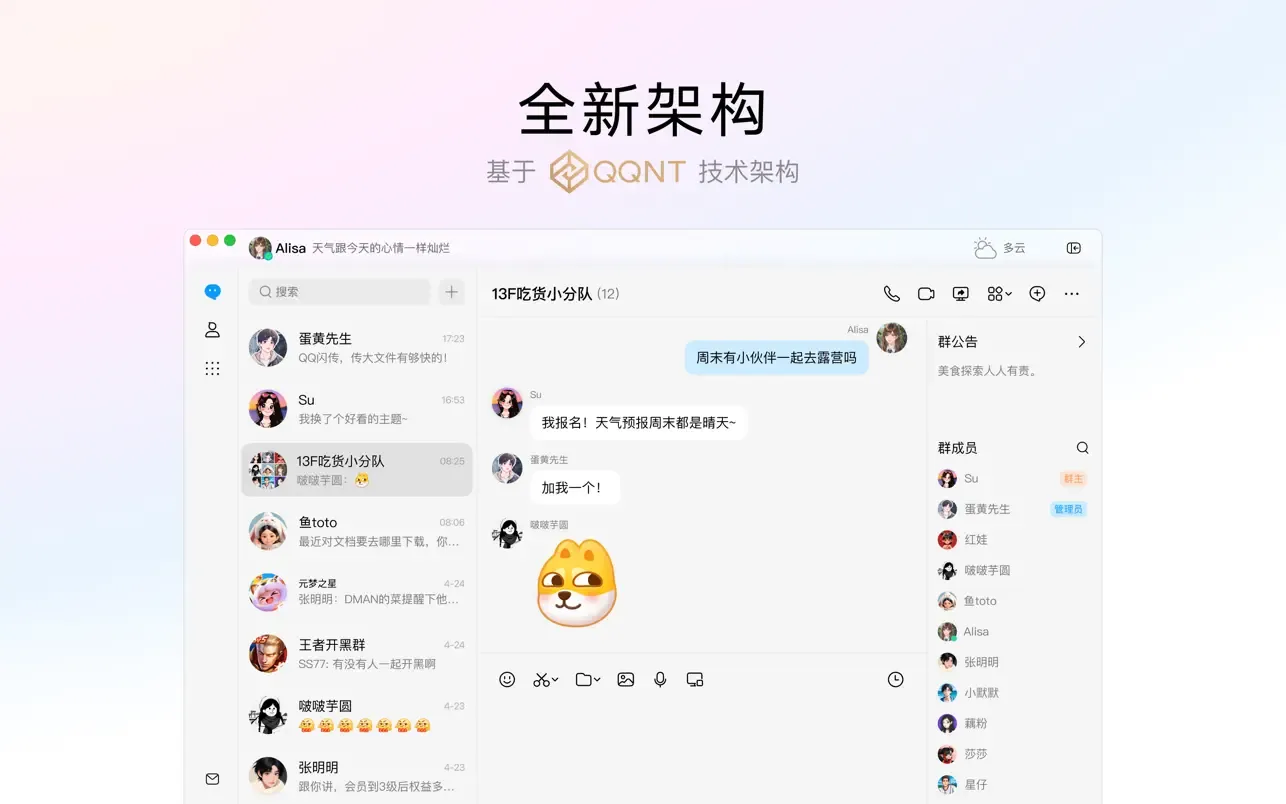
QQ, also developed by Tencent, was once China’s leading instant messaging app before WeChat took the lead.
Today, with over 520 million monthly active users, QQ still holds strong, especially among younger users, gamers, and professionals looking for lightweight communication and file sharing.
Why QQ has a loyal user base:
- Supports desktop messaging, group chats, and file sharing (over 25 MB)
- Offers a social feed, avatar customization, and built-in online games
- Doesn’t require a phone number to sign up — appealing to students and users without smartphones
QQ also has communities built around shared interests like gaming, anime, and entertainment. If younger Chinese audiences are your target, being active in these spaces is a good way to learn what they’re into and how they talk about it..
QQ isn’t a major channel for global marketing, but it’s definitely worth knowing about if you’re trying to understand China’s social landscape.
16. Threads
500 million MAU
Source: iOS App Store
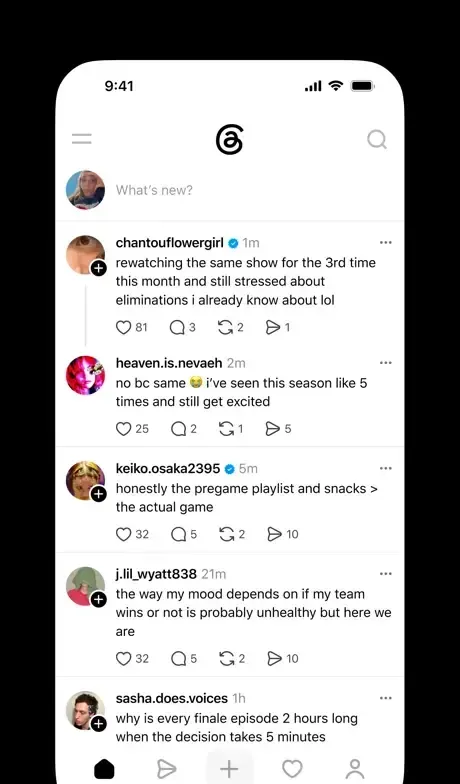
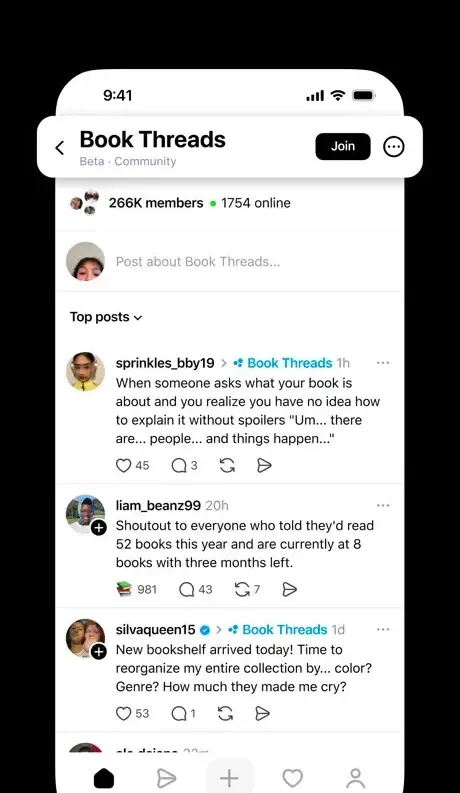
Threads, developed by Meta as a companion to Instagram, launched in mid-2023. It quickly became one of the fastest-growing social media apps in history and reached 100 million sign-ups in just a few days.
What makes Threads different:
- A text-first platform for short-form updates, commentary, and casual conversation
- Integrated with Instagram, making it easier to set up your profile and connect with people you already know
- An alternative to X, with topic tags that help people discover conversations around shared interests and can increase post visibility
Threads gives creators, founders, and brands a place to build connections through conversational content. Many use it for behind-the-scenes updates, audience questions, and informal thoughts.
17. LinkedIn
~433 million MAU
 Source: LinkedIn
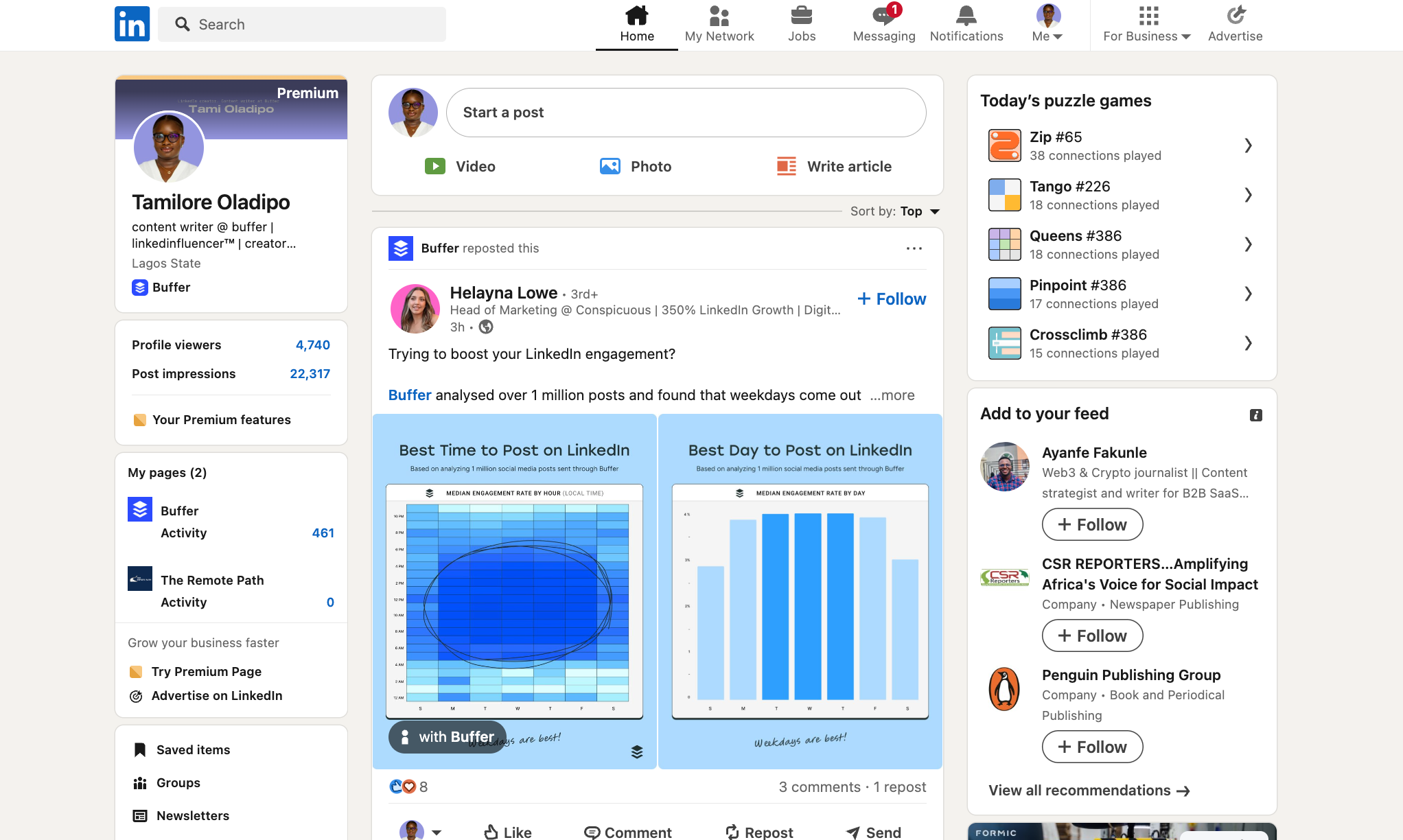
LinkedIn is the leading professional networking platform, originally built for job seekers and recruiters, but now just as valuable for creators, small business owners, and brands. It's become a hub for sharing ideas, building authority, and growing your personal brand.
Why LinkedIn is a must for professionals and brands:
- Ideal for B2B marketing, industry insights, and employer branding
- Powerful space to establish thought leadership through articles, newsletters, document posts, and videos
- Offers ways to connect with industry peers, potential customers, and decision-makers through posts and discussions
LinkedIn is also seeing more activity around professional conversations since knowledge-focused posts and time spent reading comments are both increasing. For brands and creators, that's another reason to focus on sharing expertise and participating in relevant discussions.
P.S. If you're deciding what to post, Buffer's analysis of social media content formats found that LinkedIn carousels earned a median engagement rate of 21.77%, outperforming videos, images, and text posts in the dataset.
Learn how the LinkedIn algorithm works and how to grow your followers.
18. Quora
400 million MAU
Source: iOS App Store
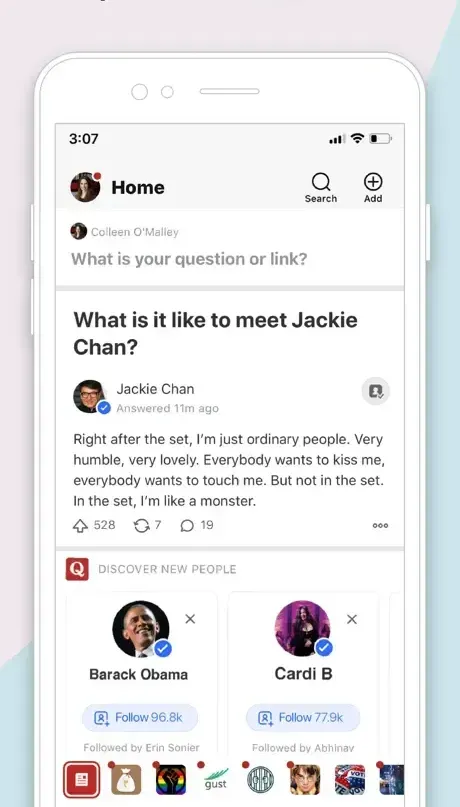
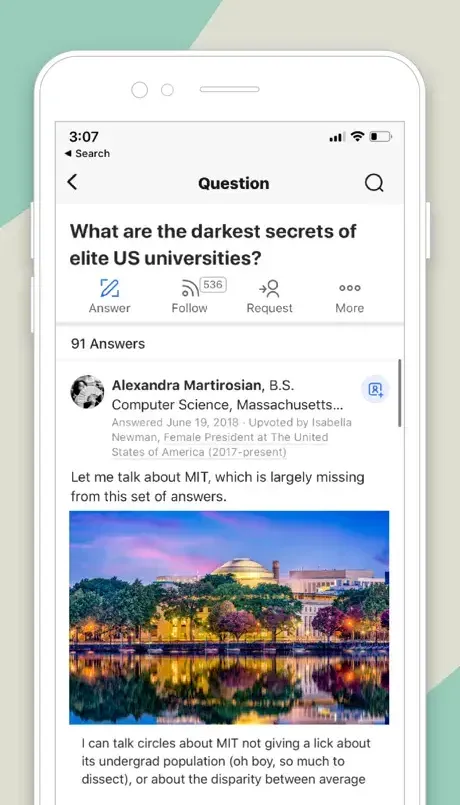
Quora is a discussion platform built around questions and answers where users share knowledge, give advice, and rank responses through upvotes and views.
With 400 million monthly unique visitors, Quora continues to be a valuable space for brands and creators to share their expertise and reach people researching topics relevant to their business.
Why Quora works:
- People use Quora to research products, explore topics, and find answers to specific questions
- Helpful answers can appear in Google search results and continue attracting readers over time
- A space to showcase subject-matter expertise and share relevant resources when they genuinely help answer a question
- Offers advertising options for B2B brands, including account-based targeting
On Quora, your audience is already asking the questions — you just have to answer them. You can contribute to industry-relevant discussions, create a Quora Business Profile, or run ads through Quora's advertising platform.
19. RedNote (Xiaohongshu/Little Red Book)
350 million MAU
 Source: Xiaohongshu
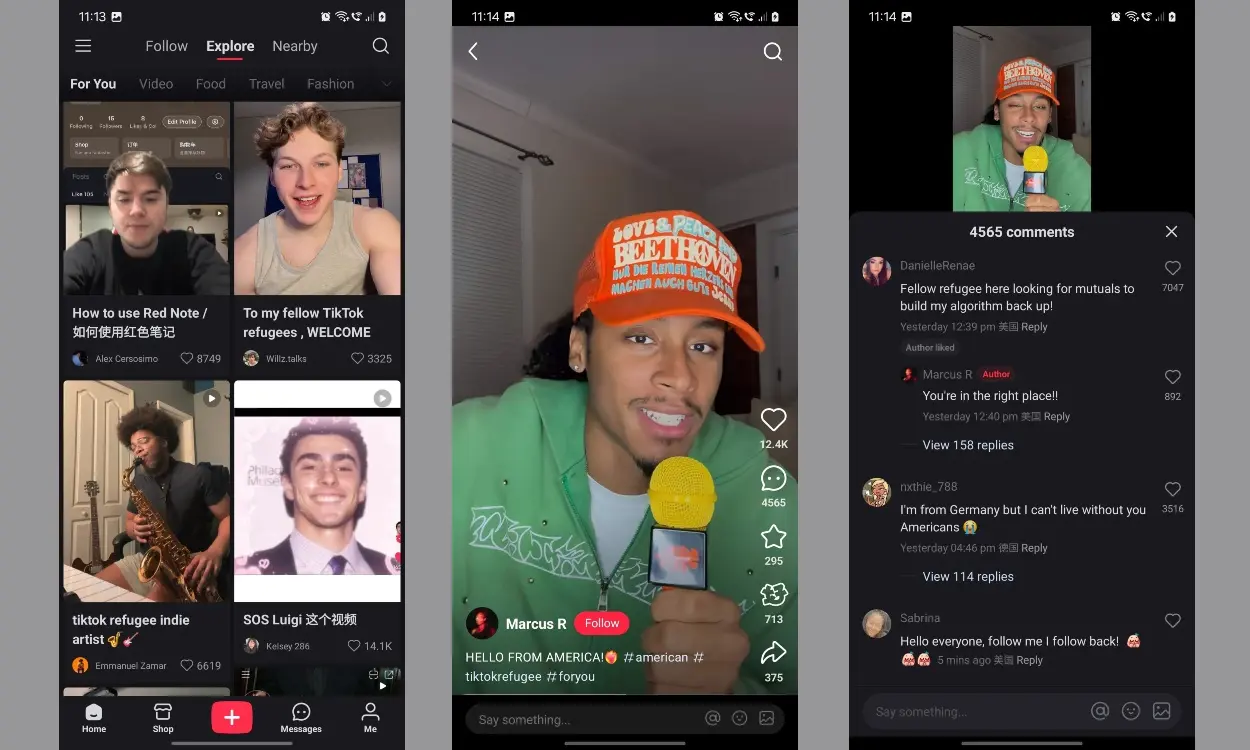
Xiaohongshu, also known as RedNote or Little Red Book, is a Chinese social media platform that blends lifestyle content, product discovery, and e-commerce.
It’s often described as a hybrid of Instagram, Pinterest, and Amazon reviews that’s especially popular among Gen Z and millennial women.
Why RedNote is a rising star:
- Combines user-generated content with product recommendations, tutorials, and reviews
- Functions as a discovery and search platform, with most users using its search feature
- Offers in-app shopping features, including storefronts and livestream shopping
- Especially influential in beauty, fashion, wellness, travel, and luxury niches
RedNote has also attracted international attention, particularly when creators explored alternatives to TikTok in early 2025. For brands, the big draw is that people use it like a search engine for product recommendations.
If you’re targeting the Chinese market or exploring social commerce trends, RedNote is a platform to watch closely.
20. Discord
259 million MAU
 Source: Discord
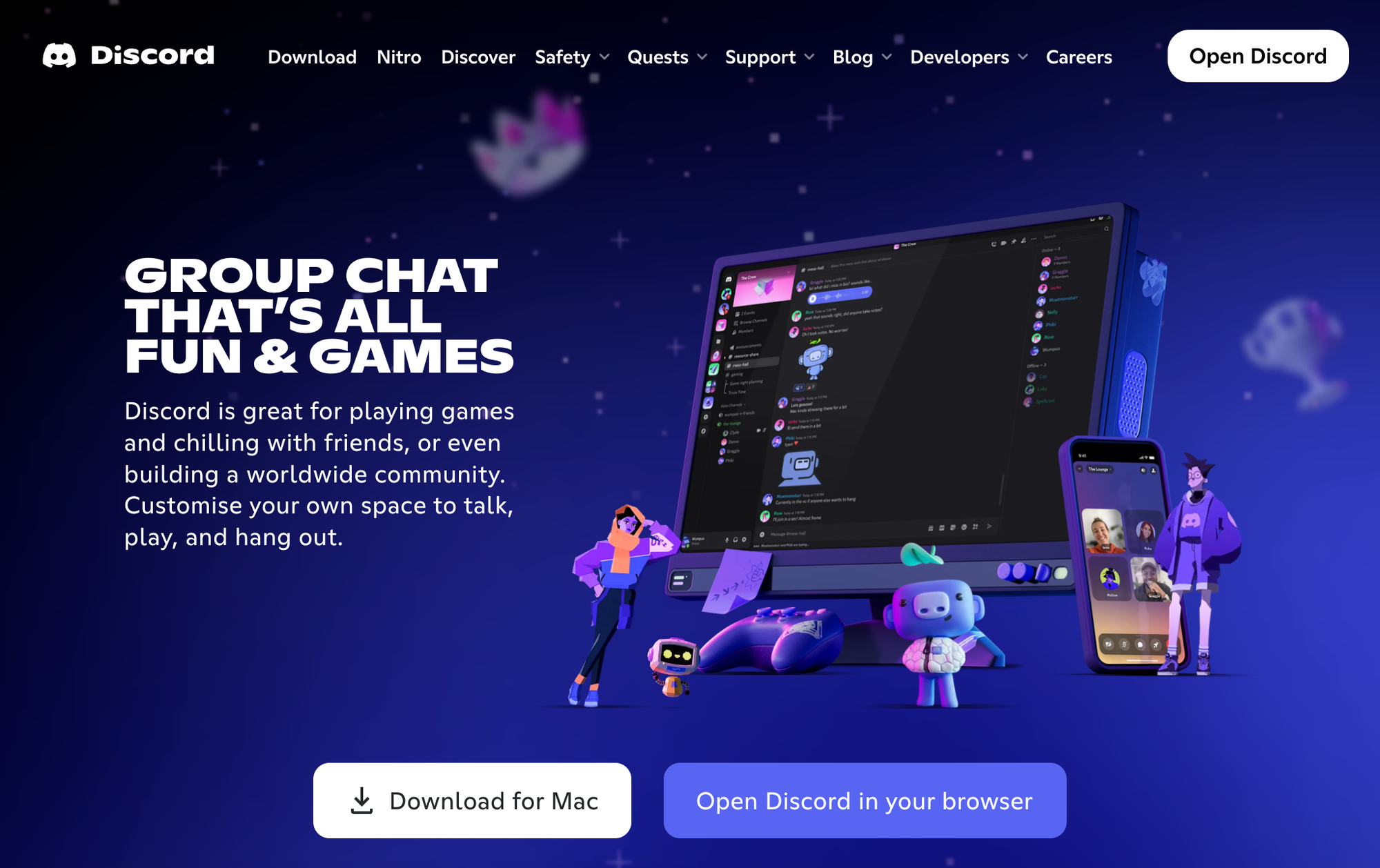
Discord started as a communication platform for gamers, but today, it powers communities across everything from entrepreneurship and crypto to education and creator spaces.
It offers real-time messaging, voice chat, video calls, and deep customization for brands looking to build close-knit audiences.
Why Discord stands out:
- Customizable servers with dedicated channels, member roles, and permissions
- Great for hosting community events, sharing exclusive content, and encouraging ongoing discussions
- Can be used for product feedback, customer support, or behind-the-scenes access
- Community analytics help server owners track participation and member retention
Gaming remains a major part of Discord's identity, with most users playing video games. But the platform also gives creators and businesses a place to build relationships with people who share their interests.
For brands focused on community building rather than reaching the widest possible audience, Discord is worth considering as part of a broader social media strategy.
21. Twitch
~240 million MAU
 Source: Twitch
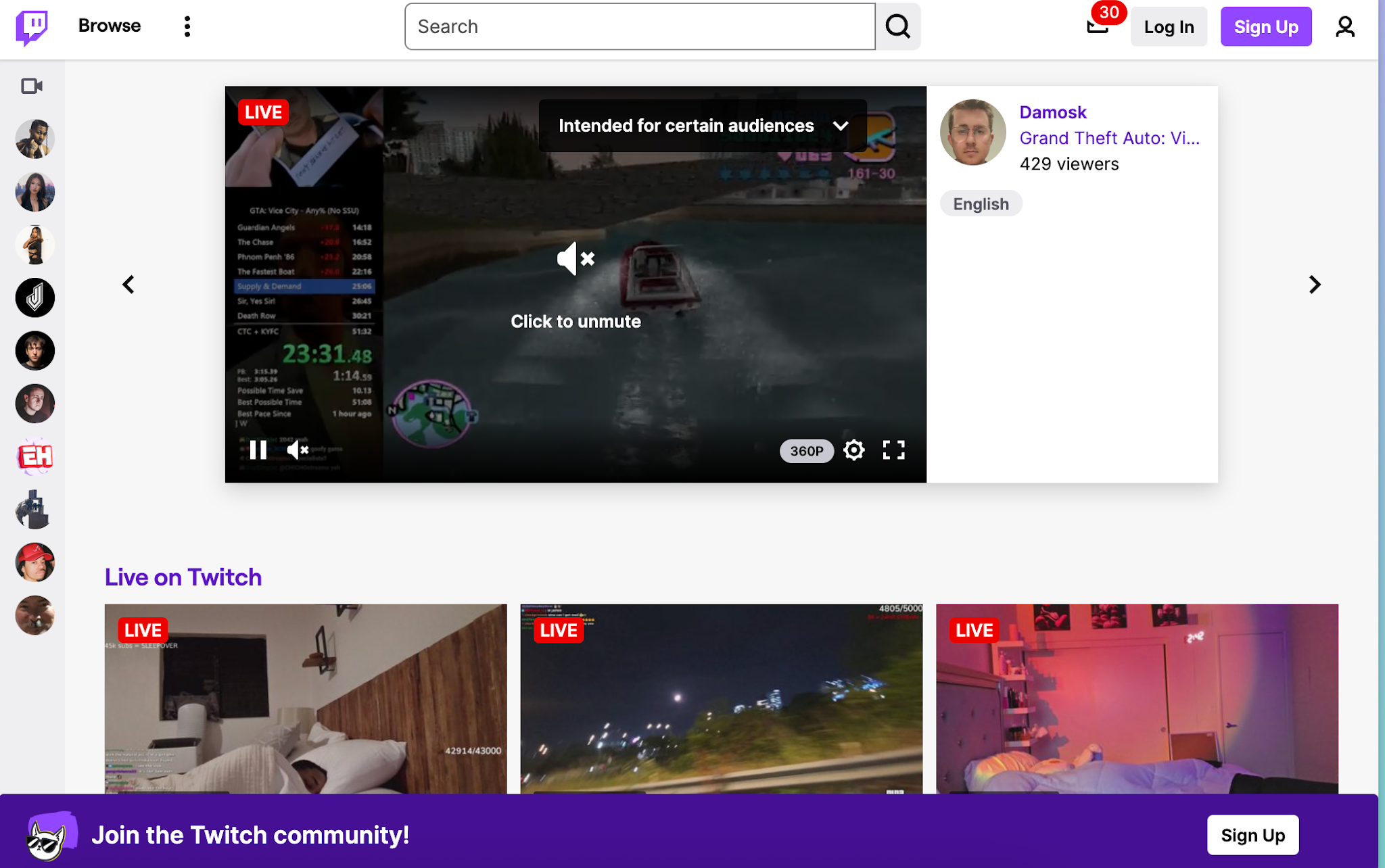
Twitch is one of the best-known livestreaming platforms, particularly for gaming but increasingly home to creators in music, art, tech, fitness, and more. It enables direct, real-time audience interaction through live chat and subscriber communities.
Why Twitch works for brands and creators:
- Live content lets creators interact directly with viewers and build ongoing relationships
- Monetization options include subscriptions, Bits, sponsorships, and ads
- A dedicated creator culture, from emotes and channel raids to conversational streams in the Just Chatting category
Just Chatting — where streamers simply talk to viewers — pulls in hundreds of millions of viewing hours, so you don’t need to game to find an audience here. Gaming remains central to Twitch, but there's plenty of interest in other content too.
💡 For creators and businesses new to live streaming, Twitch offers a loyal audience, but it works best when you can show up consistently and interact with viewers in real time.
22. Tumblr
60 million MAU
 Source: Tumblr
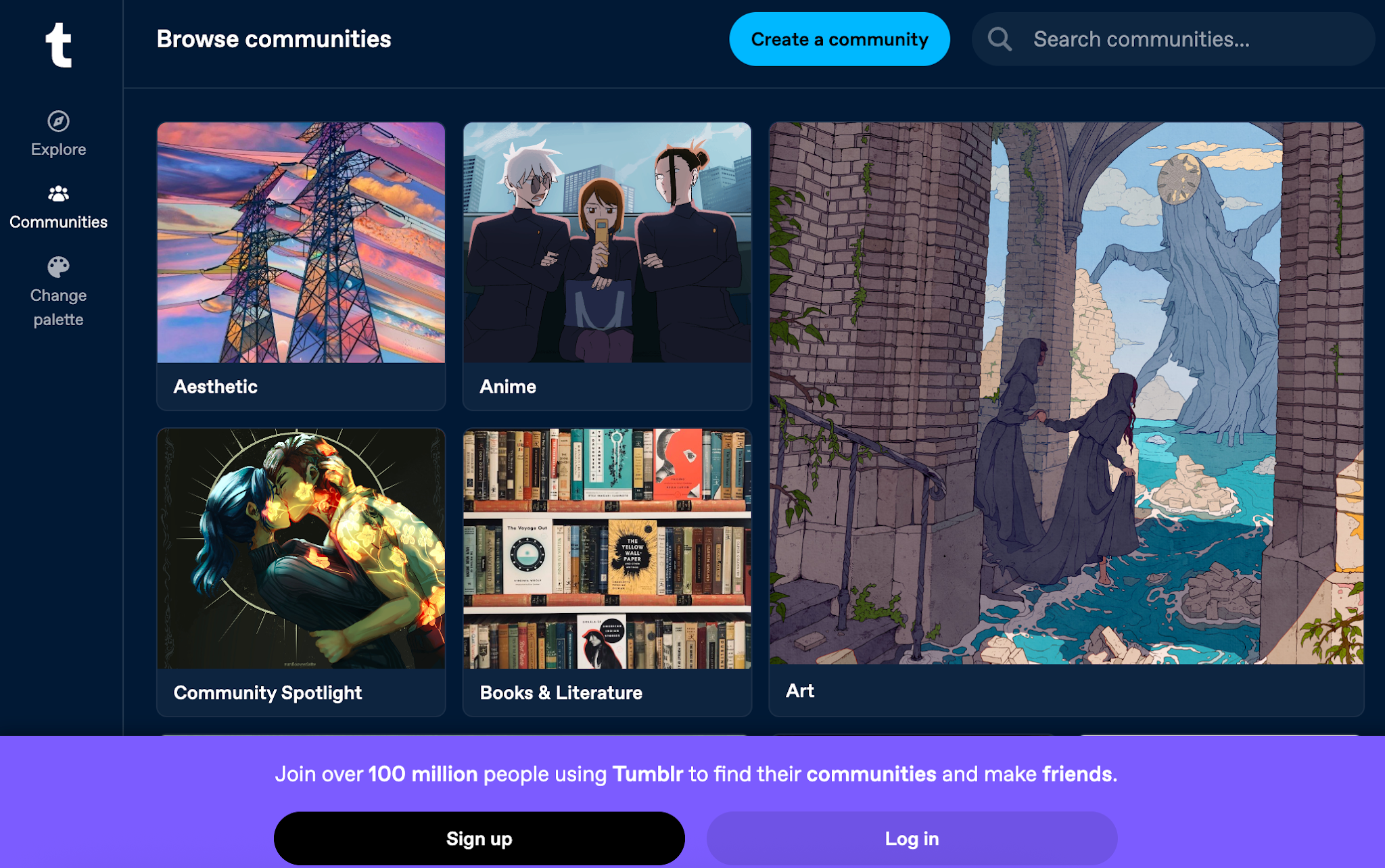
Tumblr is a long-running microblogging platform known for its creative freedom, niche communities, and customizable blog layouts.
With 60 million MAU, Tumblr has maintained a loyal community — particularly among artists, writers, fandoms, and younger users seeking a more expressive online space.
Why Tumblr still resonates:
- Supports nearly every media format: text, images, GIFs, video, audio, and links
- Allows deep blog customization — many users treat their Tumblr as a personal website or aesthetic diary
- Ideal for moodboarding, visual storytelling, and niche interests that don’t always fit mainstream platforms
- Strong fandom communities, which accounted for more than one-third of engagement on Tumblr in 2025
Tumblr also has a strong Gen Z presence, with younger users making up a large share of its active audience.
Tumblr isn’t a must-use for every brand, but it can be a good fit for those in creative industries or with strong visual and cultural identities. It offers a low-pressure way to participate in communities and share content that reflects their audience's interests.
23. Bluesky
10.4 million MAU
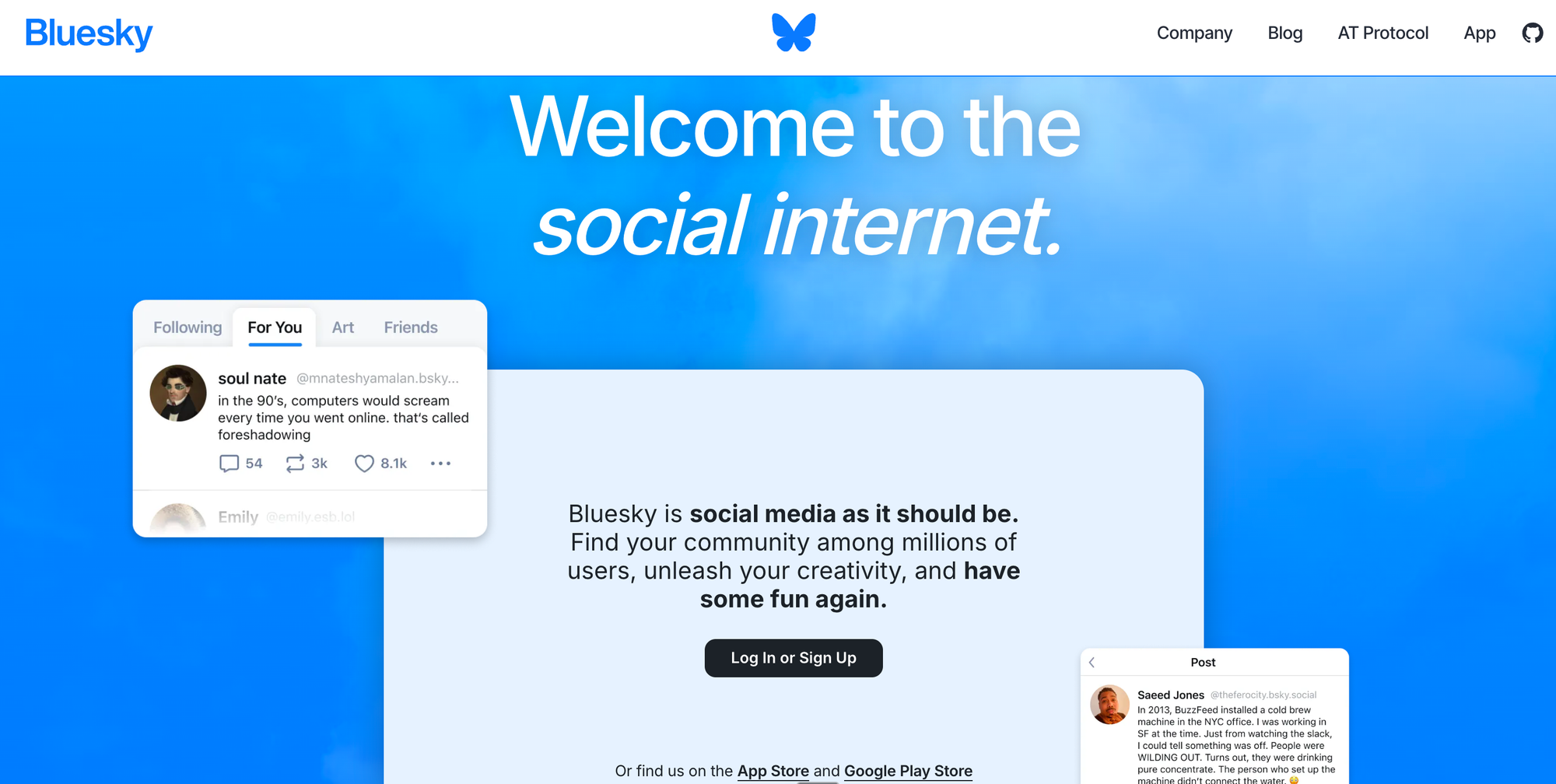
Bluesky is a decentralized social media platform originally incubated by Twitter that launched as an invite-only app in 2023 before opening to the public in 2024.
Bluesky is built around user choice and gives people more control over the feeds they follow and how content is moderated. It offers a familiar experience for X users, with posts, replies, reposts, and likes. Learn how to get started here.
What makes Bluesky unique:
- Built on the AT Protocol, an open-source framework designed to support decentralized social networking
- Custom feeds let users follow conversations around specific topics rather than relying entirely on a default recommendation feed
- Attracts users interested in decentralization, creator ownership, and moderation transparency
News and public conversations are also part of Bluesky's appeal, with many users turning to the platform for news and updates.
Bluesky remains smaller than established social networks, but if your audience is into niche, topic-led conversations, it’s definitely worth a look.
💡Here’s what I learned after six months on Bluesky — and how to decide if it’s right for your target audience.
24. Mastodon
743,000 MAU
Source: iOS App Store
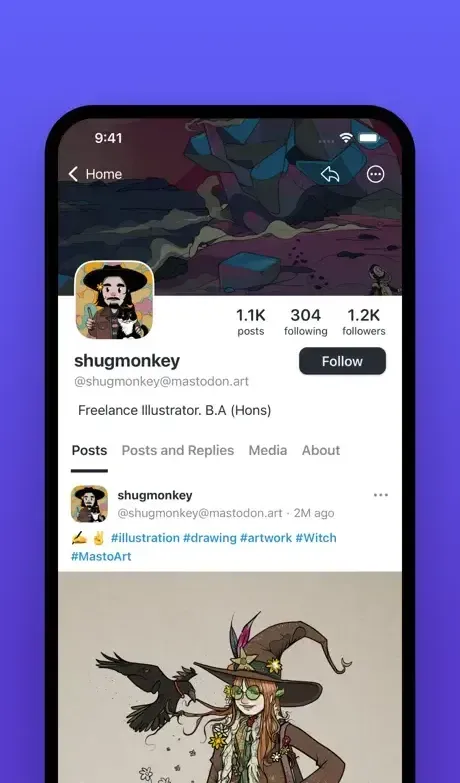
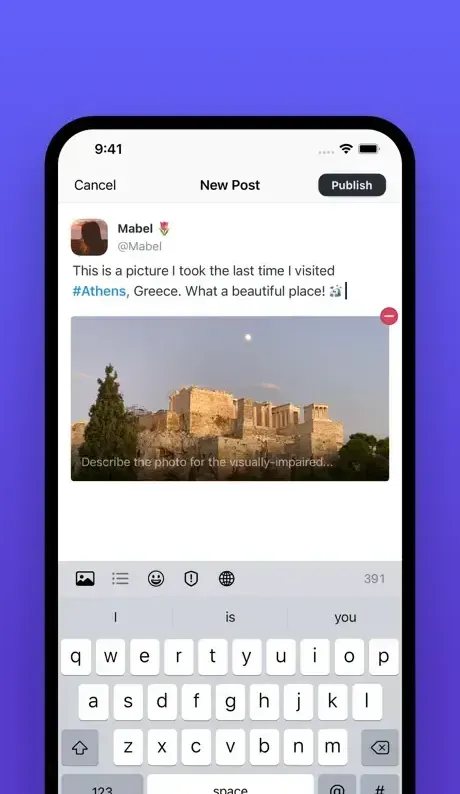
Mastodon is a decentralized, open-source social media platform that gained traction in late 2022 as an alternative to mainstream networks.
It’s organized around independently hosted servers — or “instances” — that connect to form a broader network known as the Fediverse.
Why Mastodon appeals to niche audiences:
- Users can choose servers based on shared interests, communities, or values, each with its own moderation rules
- Chronological home feeds let people follow conversations without relying on a central recommendation algorithm
- Posts support text, images, video, and audio, with a default 500-character limit
For brands and creators, choosing the right server is an important first step. Mastodon's communities have their own cultures and expectations, so it's worth understanding how people interact before joining discussions or sharing promotional content.
Mastodon isn't built for mass appeal, but it can be a good fit if your audience participates in smaller, interest-based communities and you're comfortable with a bit of a learning curve.
Be selective with your social media presence
With so many platforms to choose from, it's tempting to try them all. But spreading yourself too thin can make it harder to create content that clicks with your audience.
Instead of managing five or six platforms halfway, pick two or three that align with your strengths, your goals, and your audience, then commit to showing up consistently and experimenting over time.
If you're juggling more than one platform, Buffer can help you plan and schedule content, track performance, and keep everything organized without adding more work to your plate.
FAQs about social media platforms
What are social media platforms?
Social media platforms are online networks or apps where users create and share content, connect with others, and engage in communities. They range from messaging apps like WhatsApp to visual platforms like Instagram and video-sharing platforms like YouTube.
What are the top 5 social media platforms?
As of 2026, the top 5 social media platforms by monthly active users are: Facebook (3.07 billion MAUs), Instagram (3 billion MAUs), WhatsApp (3 billion MAUs), YouTube (2.6 billion MAUs), and TikTok (2 billion MAUs).
Which social media platform is best for business?
The best social media platform for business depends on your audience and content style. Instagram and TikTok work well for visual brands and creators, LinkedIn is ideal for B2B marketing and professional networking, and Facebook remains strong for community building and advertising. Our advice: Focus on two or three platforms instead of trying to be everywhere.
Are messaging apps considered social media platforms?
Yes — many messaging apps function as social media platforms today. Apps like WhatsApp, Telegram, and WeChat allow users to create communities, share content, and interact with brands. While they’re more private than traditional social networks, they still play a major role in online communication.
Source: Tamilore OladipoSr. Content Creator @ Buffer Read more posts by Tamilore Oladipo ·Read original
Related Learning
How to Streamline Business Processes for Ecommerce
Streamlining in business means removing unnecessary steps, delays, and repetitive paperwork that slo…
AI Ads: How AI Is Changing Ad Creation, Optimization, and Placement
Table of Contents What Are AI Ads? How Is AI Used to Create Advertising Content? How Does AI Optimiz…

Trending Boutique Products in 2026: Where US Boutiques Source High-Sell-Through Inventory
Table of Contents The Boutique Selection Dilemma in 2026 High-Sell-Through Category Roundup: What Bo…