 EN
Trending Boutique Products in 2026: Where US Boutiques Source High-Sell-Through Inventory

Table of Contents
- The Boutique Selection Dilemma in 2026
- High-Sell-Through Category Roundup: What Boutiques Are Stocking
- Trend Cycles and the Ready-to-Ship Fast Response
- Niche Compliance and Sizing: Where Boutique Sourcing Gets Risky
- Which Clothing Categories Give the Highest Sell-Through
- The Bottom Line for Your Next Boutique Buy
- FAQ
Key takeaways
- In 2026, sell-through should drive every boutique buy. Style alone is not enough.
- Put core basics on pre-order. Chase fast micro-trends with Ready to Ship.
- Stock only lines your supplier can document as US-compliant and true US sizing.
- Fast reorder speed protects working capital better than the lowest unit price.
The Boutique Selection Dilemma in 2026
Every boutique owner faces the same tight budget this season. You hold a single Open-to-Buy plan. At the same time, 2026 asks for a dozen trend calls at once. Your customer wants a curated edit, not a warehouse floor.
The central risk in wholesale for boutiques trending products is not an empty shelf. It is dead stock that freezes your budget. It is a line that looks good but fails a US safety rule.
Two failure modes trap boutique buyers every busy season. Buy a hot trend too late, and slow units sit frozen in your budget for months. Buy a line that fails a US safety or sizing rule, and you inherit legal exposure you never priced into the plan.
Sell-through is the metric that matters most. Divide units sold by units received. Most healthy boutiques aim for about 70 percent full-price sell-through before markdown season.
A safe working band runs from 60 to 80 percent. A fast drop can push toward 80 to 100 percent. Anything below 50 percent before sale season is a clear kill signal for that line.
Think of this guide as a short decision path. It starts with the trending categories, then fast-response sourcing, then compliance and sizing. It ends with a sell-through ranking to help you weight the whole budget.
High-Sell-Through Category Roundup: What Boutiques Are Stocking

Niche wholesale suppliers for boutiques line up differently across the categories shoppers chase this year. The best wholesale suppliers for boutique clothing by category pair a fast turn with documentation you can verify.
Footwear sells hard when the silhouette is bold, but returns run heavy. Shoe returns average close to 27 percent. Careful size-run grading from US 6 to 10 decides most of the profit on every pair.
Clean beauty drives repeat purchases and impulse buys near the checkout. Before you list even one serum, though, a supplier must hold complete MoCRA safety substantiation records.
Candles and home fragrance add margin from the checkout aisle. Small scent packs let you test a fragrance line without committing to a large case.
Accessories build the cash-wrap basket and lift your average order value. Metal jewelry should clear Prop 65 lead and cadmium screening before it reaches a shelf.
Gifts and stationery are low-risk items for introducing a new line. Watch seasonal obsolescence so printed stock does not age quietly on the fixture.
Tech accessories win on peg-hook impulse, but you must plan around device launch cycles. Frequent product refreshes can devalue your inventory within a few months.
Pet accessories pull cross-shopping gift buyers into your store. Chew items need careful tensile and non-toxic verification before you stock them.
Home goods buyers favor distributors who ship to US addresses quickly. Express courier usually lands within about 3 to 7 business days after dispatch.
Fabric and trim serve small designers launching a private label line. Bolt minimums and dye-lot consistency both matter for a clean, repeatable production run.
These niches work as complements, not rivals. A boutique blends high-turn apparel with higher-margin impulse add-ons. The right mix of wholesale for boutiques trending products protects your capital and lifts basket size over time.
Trend Cycles and the Ready-to-Ship Fast Response
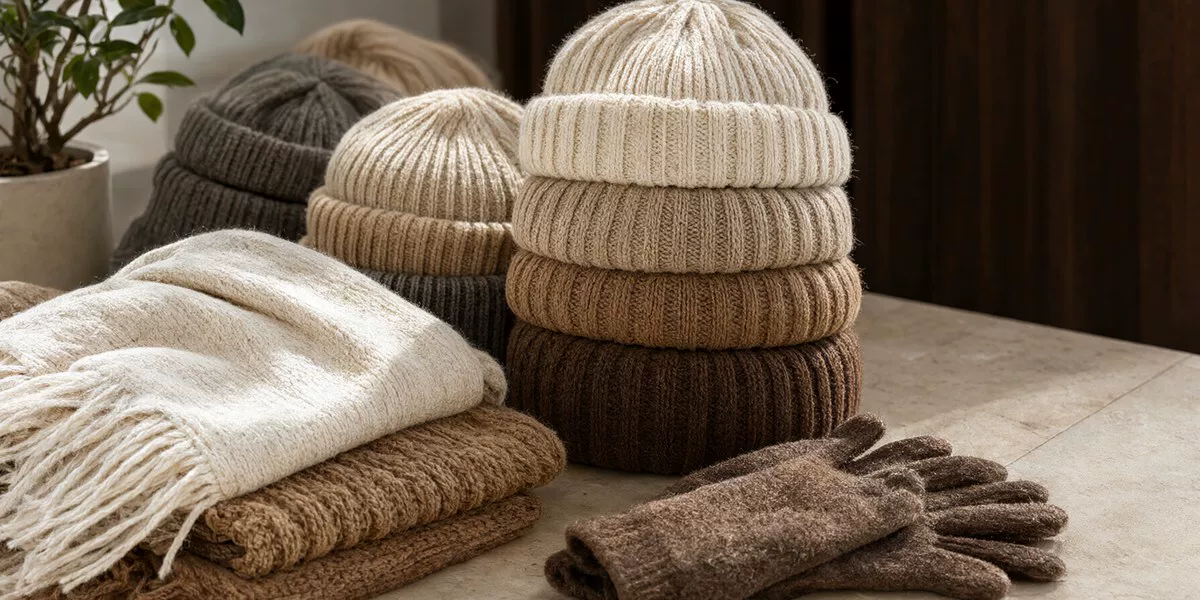
The modern boutique buying calendar runs at two very different speeds. Long-lead core basics arrive from an overseas indent, often three to five months out. Social media micro-trends, by contrast, spike and fade inside a few weeks.
Scarves, hats, and viral tech accessories live and die fast. A twelve-week pre-order cycle will miss the demand peak every time.
Ready to Ship inventory already sits finished, packed, and ready to move. Dispatch takes only days, not several weeks. Express courier to US addresses lands within about 3 to 7 business days.
Ocean freight moves far slower by comparison. Sea transit to the US runs 30 to 50 days or more. That is too slow to catch a rising trend.
Careful timing is the discipline that matters here. Seasonal accessories should sell out before a fixed markdown date. Ready to Ship lets you test a rising trend before committing to a full case.
Fast fashion lines reward speed of reorder far more than the lowest unit price. A curation-only marketplace cannot cover the full category range at that response speed. A workable habit is to split every trend bet into two orders. Place a small Ready to Ship buy first, then reorder deeper only once the first two weeks of point-of-sale data confirm the demand was real.
Niche Compliance and Sizing: Where Boutique Sourcing Gets Risky
This is where boutique sourcing turns genuinely risky. US safety and sizing rules decide what you may legally sell. They matter more than what looks good on a rack.
Children's clothing carries hard CPSIA thresholds you must document. Ask every supplier to record total lead in substrate at or below 100 ppm. Lead in paint or surface coatings must stay under 90 ppm. Flammability follows the CPSC textile and apparel requirements under 16 CFR 1610. Hood or neck drawstrings are banned on sizes 2T to 12. Every kids item needs a Children's Product Certificate, backed by third-party testing at a CPSC-accepted lab and proper tracking labels.
Swimwear fit is the main driver of returns. US online apparel returns run about 25 to 30 percent. Fit or sizing is cited for up to 93 percent of clothing returns. Confirm true US grading, bust construction, and torso length instead of relying on junior or Asian cuts.
Plus-size demand is large yet still underserved on boutique floors. As Forbes reports, 67 percent of US women wear a size 14 or above. Source with US Misses grading, sizes 14 to 24. Run live fit tests before you commit to any order.
Sustainable claims must satisfy the FTC Green Guides. Ask suppliers for GOTS or OEKO-TEX certificates. Verify fiber identity under FTC textile labeling, since a claim like bamboo is really rayon.
Clean beauty now falls under MoCRA obligations. The FDA MoCRA guidance requires facility registration renewed every two years. It also requires product listing with full ingredients and safety substantiation records. Serious adverse events must be reported within 15 business days. Small businesses skip registration and listing, but not the safety or adverse-event duty.
The most practical filter is a third-party-audited factory. As CosmoSourcing explains, Alibaba's Verified Supplier badge follows an on-site audit by firms such as SGS, TUV Rheinland, or Intertek. That audit checks business license, ownership, facilities, production output, and quality control. Treat it as a point-in-time snapshot, not a live product-quality guarantee.
Which Clothing Categories Give the Highest Sell-Through
Weight your Open-to-Buy budget toward the fastest movers in your store. The bands below cover typical boutique clothing categories and their expected turn risk. Read the table as a planning map, not a firm guarantee.
| Boutique Sell-Through by Clothing Category | |||
|---|---|---|---|
| Category | Typical sell-through band | Turn risk | Seasonal fit |
| Fast-fashion tops and dresses | About 80 to 100 percent | High, trend dependent | Ready to Ship friendly |
| Denim and knit basics | About 70 to 85 percent | Low to medium | Evergreen |
| Swimwear with US sizing | About 65 to 80 percent | Medium to high, fit driven | Seasonal |
| Plus-size with true US grading | About 65 to 80 percent | Medium | Evergreen, underserved |
| Children's CPSIA-compliant | About 70 to 85 percent | Low, replenishing | Evergreen plus gifting |
| Outerwear and seasonal accessories | About 60 to 75 percent | High after the date passes | Strict sell-by window |
| Designer and luxury accessories | About 45 to 55 percent | Low volume, high margin | Evergreen |
Denim and knit tops sit comfortably inside the healthy band. Fast-fashion drops can spike above 80 percent in a short window, then cool just as quickly. Designer accessories turn far slower but carry a much higher margin on every unit.
The Bottom Line for Your Next Boutique Buy
Build the whole assortment on three repeatable rules. Choose trending niches by sell-through, not by looks alone. Split the buy across evergreen pre-order core and Ready to Ship trend slots. Stock only the categories where your supplier can fully document US compliance and true US sizing.
The boutique advantage in 2026 rests on three things: breadth, speed, and verified compliance. That is why more buyers move past narrow marketplaces toward full-category platforms and audited factories. Alibaba International Station, with its Ready to Ship stock and Verified Supplier audit badges, is one practical route to all three at once.
FAQ
Which clothing categories give the highest sell-through for a boutique?
Denim and knit basics, plus fast-fashion drops, sit at the top of the list. A healthy boutique targets about 70 percent full-price sell-through. Fast drops can reach 80 to 100 percent in a short window. Anything below 50 percent before sale season is your clear markdown signal.
What US safety standards apply when sourcing children's clothing wholesale?
CPSIA caps total lead in substrate at 100 ppm and lead in surface coatings at 90 ppm. Flammability follows 16 CFR 1610. Hood or neck drawstrings are banned on sizes 2T to 12. Every kids item needs a Children's Product Certificate from a CPSC-accepted lab, with tracking labels attached.
How do I find swimwear and plus-size suppliers that fit real US sizing?
Fit is what drives returns. US online apparel returns run about 25 to 30 percent, and sizing accounts for most of them. Ask suppliers for true US Misses grading, and require live fit samples before ordering. Extended sizes remain a large, underserved segment.
How can a boutique react to trending seasonal products before the season ends?
For wholesale for boutiques trending products, use Ready to Ship stock instead of a long pre-order. Ready to Ship goods are already made and dispatch within days. Express courier reaches US addresses in roughly 3 to 7 business days. Test a small run first, then set a firm sell-by date.
What should boutique buyers check when sourcing clean beauty and sustainable clothing?
For clean beauty, confirm the supplier keeps complete MoCRA records: registration, product listing, and safety substantiation. Serious adverse events are due within 15 business days. For sustainable clothing, match every claim to the FTC Green Guides and request GOTS or OEKO-TEX certificates. A third-party-audited Verified Supplier helps you filter factories that can prove both standards.
Source: Alibaba.com ·Read original
Related Learning

Yandex Direct Advertising Platform Gradually Restored; Some Features Remain Restricted
On the 10 of the month, 16 reported that the Yandex Direct advertising platform is gradually being r…
The New Architecture of Marketplace Payouts: Why Payout Infrastructure Is the New Competitive Advantage
The New Architecture of Marketplace Payouts: Why Payout Infrastructure Is the New Competitive Advant…
Q4 Holiday Marketing: How Can You Get Consumers to Choose You? | A Breakdown of Reddit’s Latest Report on Four Reasons to Buy
As Black Friday, Cyber Monday, and the year-end holiday season approach, products, ads, and promotio…