 EN
Top B2B Marketplaces for Sourcing Niche Products and Private Label Goods
Table of Contents
- Why category-specific compliance makes single-source sourcing fail
- How to evaluate a B2B marketplace for multi-category sourcing
- B2B marketplace comparison: vertical directories vs. full-spectrum platforms
- Sourcing strategies by buyer need
- Where Alibaba.com fits in a multi-category sourcing stack
- Building a diversified supplier roster across product lines
- FAQ
Key takeaways
- Different product types carry different compliance rules, making single-platform sourcing risky for buyers sourcing many categories.
- Vertical directories offer deep expertise in regulated niches but force buyers to manage accounts across multiple platforms.
- Full-spectrum B2B marketplaces cover broader catalogs but require buyers to run their own compliance checks.
- Building a diversified sourcing stack across platform types reduces supply chain risk and makes purchasing more flexible.
Why category-specific compliance makes single-source sourcing fail
Sourcing products across multiple categories from a single B2B marketplace sounds efficient. The reality is more complicated. Each product type has its own compliance rules, and a platform strong in one niche may lack the checking systems for another.
The rules are specific. Beauty and personal care products sold in the US must meet FDA labeling and ingredient rules. Electronic components need FCC certification. Medical devices need FDA registration and, in many cases, state-level distribution licenses. Food and beverage items face their own set of FDA facility registration rules.
No single B2B marketplace checks all of these credentials equally well. A platform focused on electronic parts may not check whether a beauty supplier has proper FDA records. Buyers who source everything from one platform risk receiving non-compliant shipments.
The consequences are costly. According to the FDA import refusal data, the agency refuses roughly 2% of all food and cosmetic product entries at US ports each year. For a mid-sized buyer importing $50,000 worth of goods, a single refused shipment can wipe out an entire quarter's margin.
Vertical B2B directories address this problem by focusing on a single category. They learn the relevant credentials in depth and pre-vet suppliers against category-specific standards. But this narrow focus creates a different problem. Buyers sourcing products across multiple categories must manage accounts on several platforms, each with its own payment system and supplier vetting process.
How to evaluate a B2B marketplace for multi-category sourcing
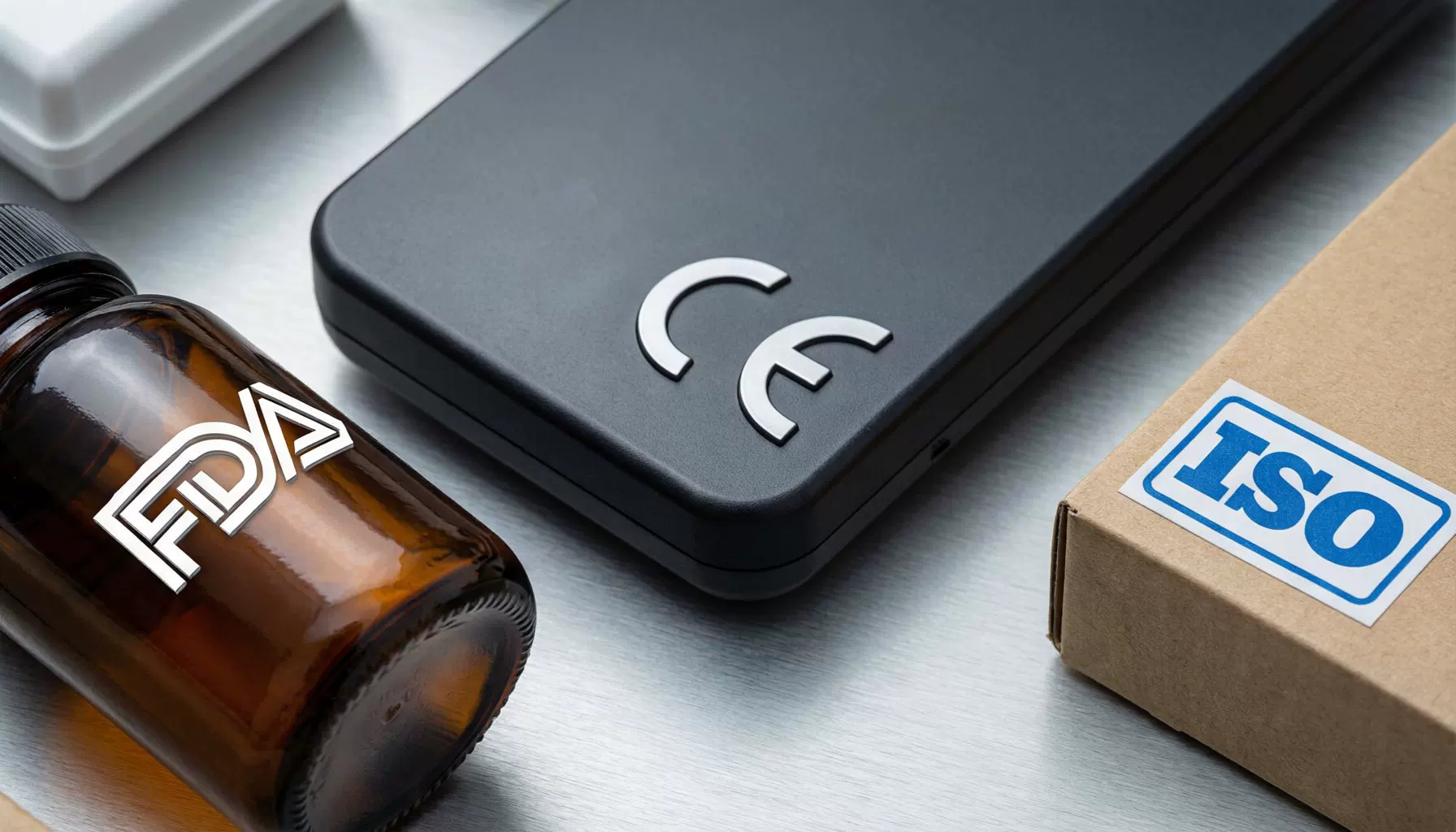
Choosing the right B2B marketplace requires looking beyond product catalog size. For buyers sourcing across multiple categories, you need to check how well each platform handles compliance checks and custom orders.
Category breadth and supplier density
A marketplace may list millions of products but still have thin coverage in specific niches. Check supplier density in your target categories. A platform with 500 active electronics suppliers but only 50 in home and garden tells you where its strengths lie. For multi-category buyers, aim for platforms with at least several hundred verified suppliers per category.
Compliance verification depth
Some platforms let suppliers self-report credentials. Others require outside audits. The difference matters when a customs hold delays your shipment. Look for marketplaces that work with known inspection firms like SGS, Bureau Veritas, or Intertek. These partnerships show the platform invests in real checks rather than trusting supplier claims.
Private label and custom manufacturing capability
Private label sourcing goes beyond slapping your logo on a generic product. True customization involves formulation changes and material upgrades, not just packaging design. Not all B2B marketplaces support this depth of customization. Some connect buyers only with resellers who offer basic branding. Others link directly to OEM and ODM factories capable of developing products from scratch.
MOQ flexibility and pricing transparency
Minimum order quantities vary widely across platforms. Vertical directories often serve experienced buyers comfortable with five-figure orders. Broader marketplaces tend to offer more flexible MOQs, with some featuring ready-to-ship products in quantities as low as a few units. For buyers testing new categories, lower MOQs reduce financial risk.
Payment protection and buyer safeguards
Secure payment tools protect buyers when shipments go wrong. Escrow services hold funds until delivery is confirmed. Trade assurance programs cover refund eligibility. Some platforms offer net payment terms for qualified buyers. For orders above $5,000, even a small difference in payment protection fees adds up quickly.
B2B marketplace comparison: vertical directories vs. full-spectrum platforms
| B2B Marketplace Comparison by Sourcing Type | ||||
|---|---|---|---|---|
| Platform | Category focus | Compliance verification | Private label depth | Payment terms |
| Thomasnet | US industrial, packaging, manufacturing | ISO certification filters, supplier self-report | Full OEM/ODM | Direct with supplier |
| Global Sources | Electronics, fashion, gifts | Supplier audits via third parties | OEM available | Trade Assurance equivalent |
| Alibaba.com | All categories | Verified Supplier via SGS, BV | Full OEM/ODM, RFQ matching | Trade Assurance escrow |
| Faire | Boutique retail, home, beauty | Brand application review | Limited, mostly branded goods | Net-60 for qualified buyers |
| Zageno | Lab supplies, life sciences | Manufacturer certification verified | Not available | Direct with supplier |
Platform features verified through published documentation and live platform pages. Thomasnet ISO filters and Faire net-60 terms reflect each platform's published policies.
Each platform type fits a different buyer profile. Vertical specialists work best for regulated types where compliance records must come with every order. Broad-spectrum platforms suit buyers who need diverse product lines and prefer managing purchases through a single account.
The data supports a diversified approach. According to the 2026 Mirakl Marketplace Seller Report, multichannel sellers generate 17.5 times more GMV than single-platform sellers. Buyers who spread sourcing across several platforms access wider supplier pools and rely less on any single channel.
Sourcing strategies by buyer need

Different buyer profiles benefit from different sourcing approaches. The right strategy depends on your product category and how strict your compliance rules are.
Compliance-sensitive categories: medical, food, supplements
Buyers sourcing medical supplies, food products, or dietary supplements should favor vertical platforms with pre-vetted supplier lists. These platforms keep records that make customs clearance and regulatory audits simpler. The per-unit cost may be higher, but compliance confidence reduces the risk of expensive shipment refusals.
Beauty and personal care: formulation meets branding
Private label beauty brands need manufacturing partners who handle both product formulation and packaging compliance. Sourcing platforms focused on beauty connect buyers with contract manufacturers experienced in FDA-compliant labeling and ingredient sourcing. For buyers launching new product lines, these platforms reduce the coordination burden greatly.
Electronics and hardware: depth of manufacturing capability
Consumer electronics sourcing needs access to both parts suppliers and finished goods makers. Broad B2B marketplaces serve this need well, offering buyers the ability to source parts and assembled products within the same platform. The key is checking credentials like FCC and CE on your own, as broad platforms may not check these at the depth vertical directories do.
General merchandise and seasonal inventory
Buyers sourcing high-volume, low-complexity goods like seasonal decorations and basic home goods benefit from broad wholesale marketplaces with competitive pricing and flexible MOQs. The priority here is cost efficiency and fast turnaround rather than deep compliance checks.
Where Alibaba.com fits in a multi-category sourcing stack
Alibaba.com is a broad-spectrum B2B marketplace covering nearly every product type. For buyers sourcing many categories, it works as a useful anchor platform, particularly for non-consumable goods like packaging and electronic components.
The platform's Verified Supplier program, done through outside inspection firms including SGS and Bureau Veritas, gives buyers a way to confirm factory credentials before placing orders. These checks cover factory existence and production capacity alongside quality systems.
For private label buyers, the RFQ system lets buyers spell out custom needs. Buyers describe what they need, target pricing, and compliance needs, then receive matched responses from capable suppliers. This approach works well for custom packaging and OEM electronic products.
The Ready to Ship catalog serves buyers who want to test new categories without placing large orders. Many products in this section carry low MOQs and ship quickly, reducing the financial risk of category expansion.
For consumable or high-liability categories like food, supplements, or medical devices, buyers should pair Alibaba.com with a vertical specialist who can provide deeper regulatory guidance. The platform works best as part of a broader sourcing stack rather than a single solution for all categories.
Building a diversified supplier roster across product lines
No single B2B marketplace handles every product type with equal compliance depth and manufacturing skill. A better approach is building a sourcing stack that matches each product type to the platform best equipped to serve it.
Start by sorting your product lines by how strict the compliance rules are. High-regulation types like medical, food, and supplements belong on vertical platforms with known supplier vetting. Low-regulation types like general merchandise and seasonal goods can flow through broad marketplaces where pricing competition works in your favor.
For private label brands, decide whether you need full OEM development or simple branding. Full OEM buyers benefit from platforms with deep factory networks and RFQ matching. Simple branding buyers can work with ready-made products from broad catalog platforms.
The B2B marketplace ecosystem continues to expand. Marketplaces are growing at 4.5 times the rate of traditional ecommerce, as the 2026 Mirakl report documents. This growth gives buyers access to a wider pool of suppliers and more flexibility in how they structure purchasing.
Build your supplier roster based on type expertise and compliance needs. Verify credentials through separate inspectors before placing large orders. And keep backup suppliers for each key component. A well-diversified sourcing stack reduces your exposure to supply disruptions.
FAQ
What is the best B2B marketplace for private label electronics?
Broad-spectrum platforms like Alibaba.com and Global Sources offer the deepest manufacturing networks for consumer electronics. Both connect buyers with OEM factories capable of custom circuit board design and enclosure tooling. Check FCC and CE credentials on your own through separate testing labs.
How do I verify a supplier's certifications on a B2B marketplace?
Ask for the original credential documents and cross-check the numbers with the issuing body. For FDA registrations, search the FDA registration database directly. For ISO credentials, verify through the certifying body's online registry. Platforms offering Verified Supplier badges include outside audit results, but separate vetting remains the safest approach.
Can I get net payment terms as a new private label brand?
Some platforms offer net payment terms to qualified buyers. Faire provides net-60 terms for approved retail buyers. Alibaba.com's Trade Assurance supports staged payment schedules. Traditional net-30 or net-60 terms usually need a proven credit history and a record of completed orders.
Which B2B marketplace has the lowest MOQ for testing new products?
Alibaba.com's Ready to Ship section and Faire's wholesale marketplace both support very small initial orders. Ready to Ship products on Alibaba.com often carry MOQs as low as a few units. Faire lets buyers order single cases from independent makers. Both options work well for testing product quality before placing larger orders.
How do I source sustainable and eco-friendly products on B2B marketplaces?
Several platforms now feature sustainability filters. Alibaba.com includes supplier sustainability badges and eco-certification tags. Faire features makers using recycled or organic materials. For verified eco-credentials, look for GOTS, FSC, or OEKO-TEX labels and confirm them through the certifier's database.
Source: Alibaba.com ·Read original
Related Learning

How Should You Follow Up When a Customer Does Not Reply to a Quotation?
A customer’s temporary lack of response after receiving a quotation does not necessarily mean they h…
International Import Shipping: 2026 Tariff Guide
Update on tariffs and international trade U.S. tariffs changed on February 20, 2026. Here’s what you…

Taxable Invoice Guide: How to Create a Compliant Tax Invoice for International Clients
Taxable Invoice Guide: How to Create a Compliant Tax Invoice for International Clients From taxable …